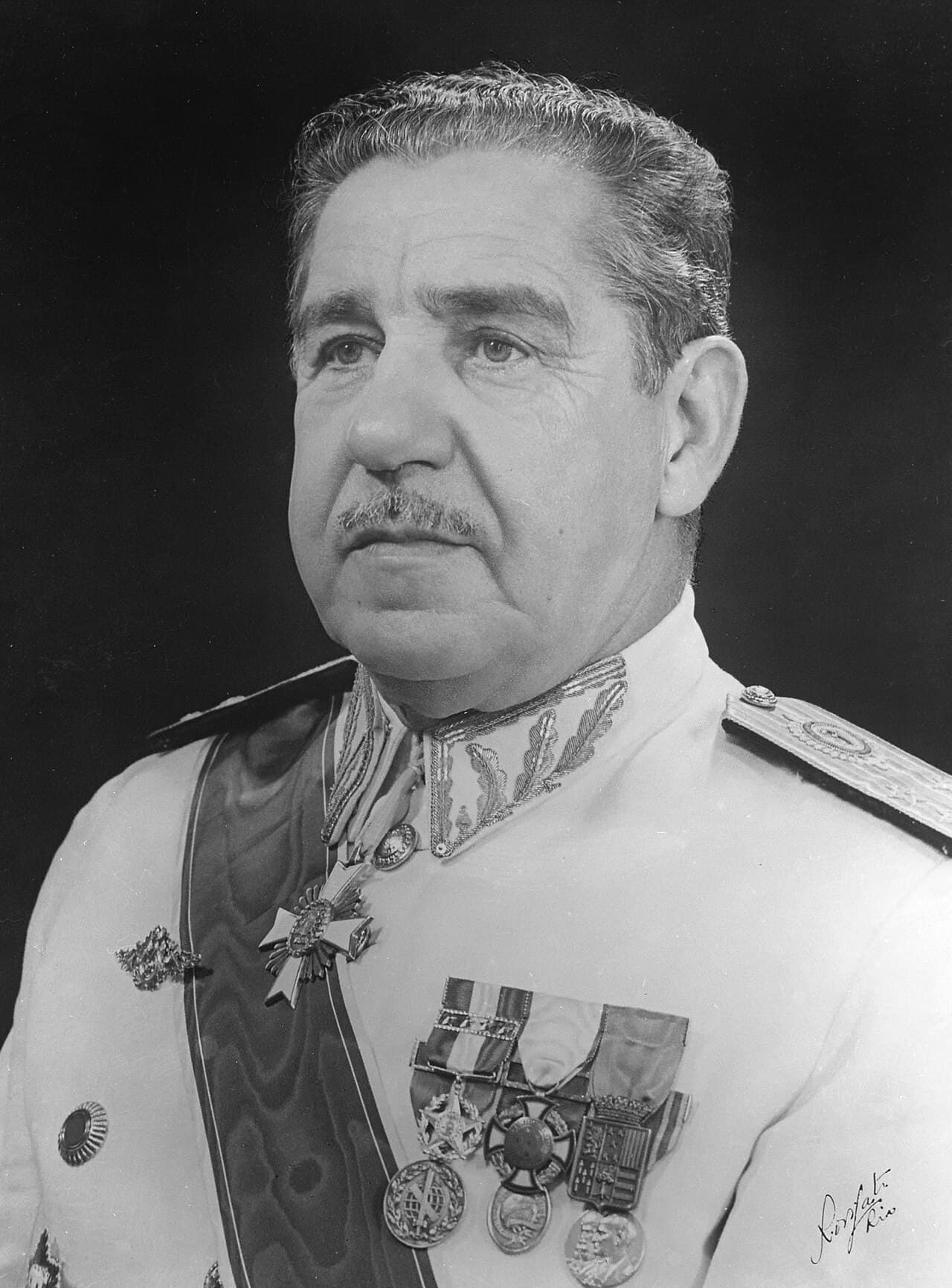
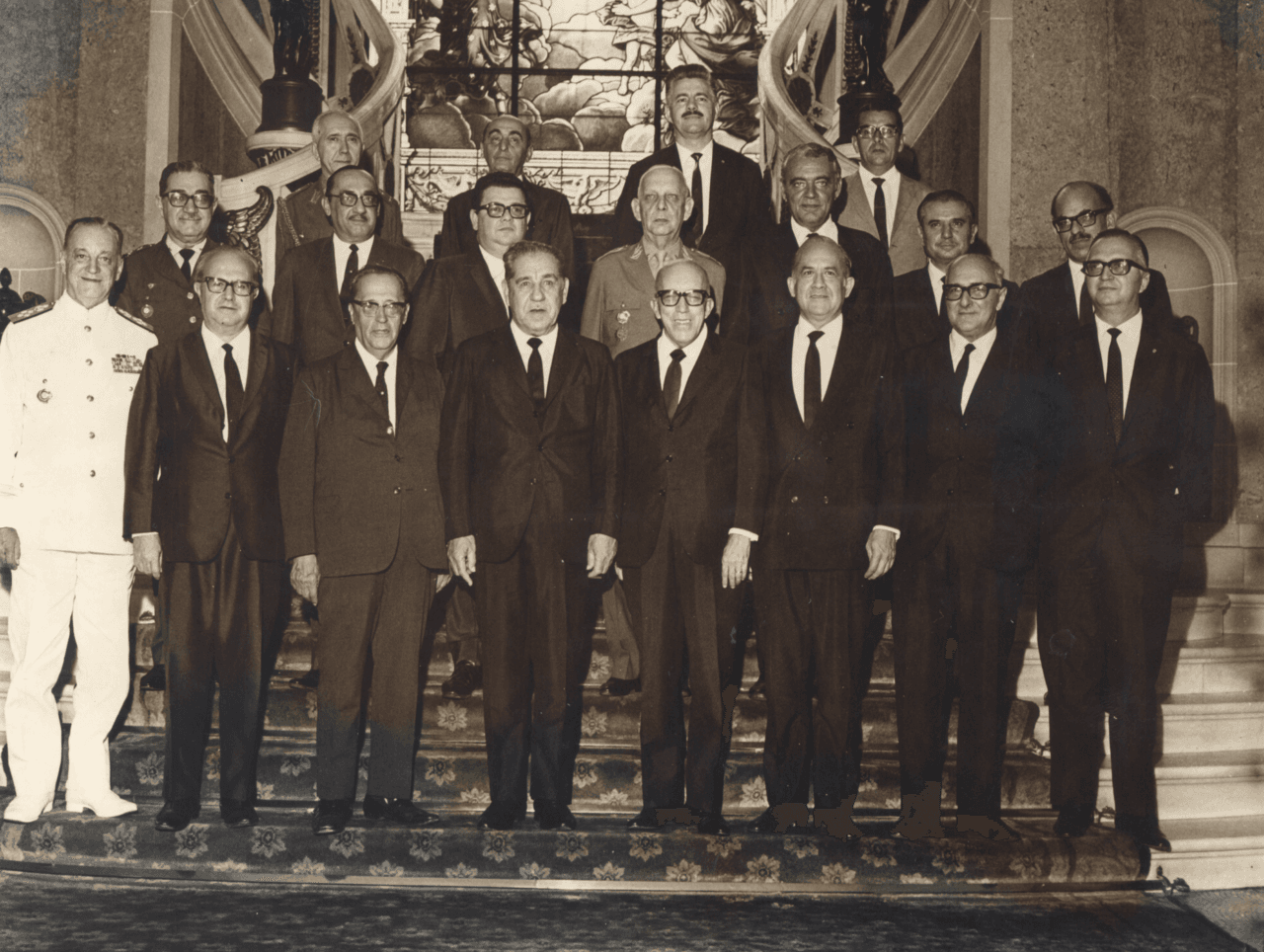
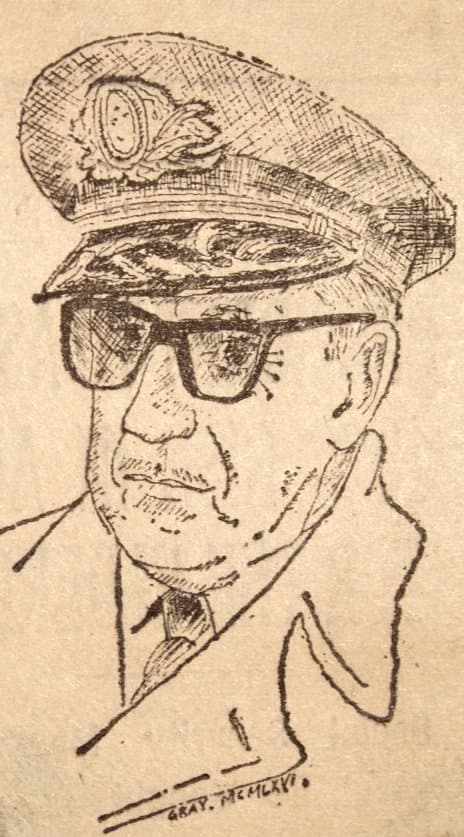
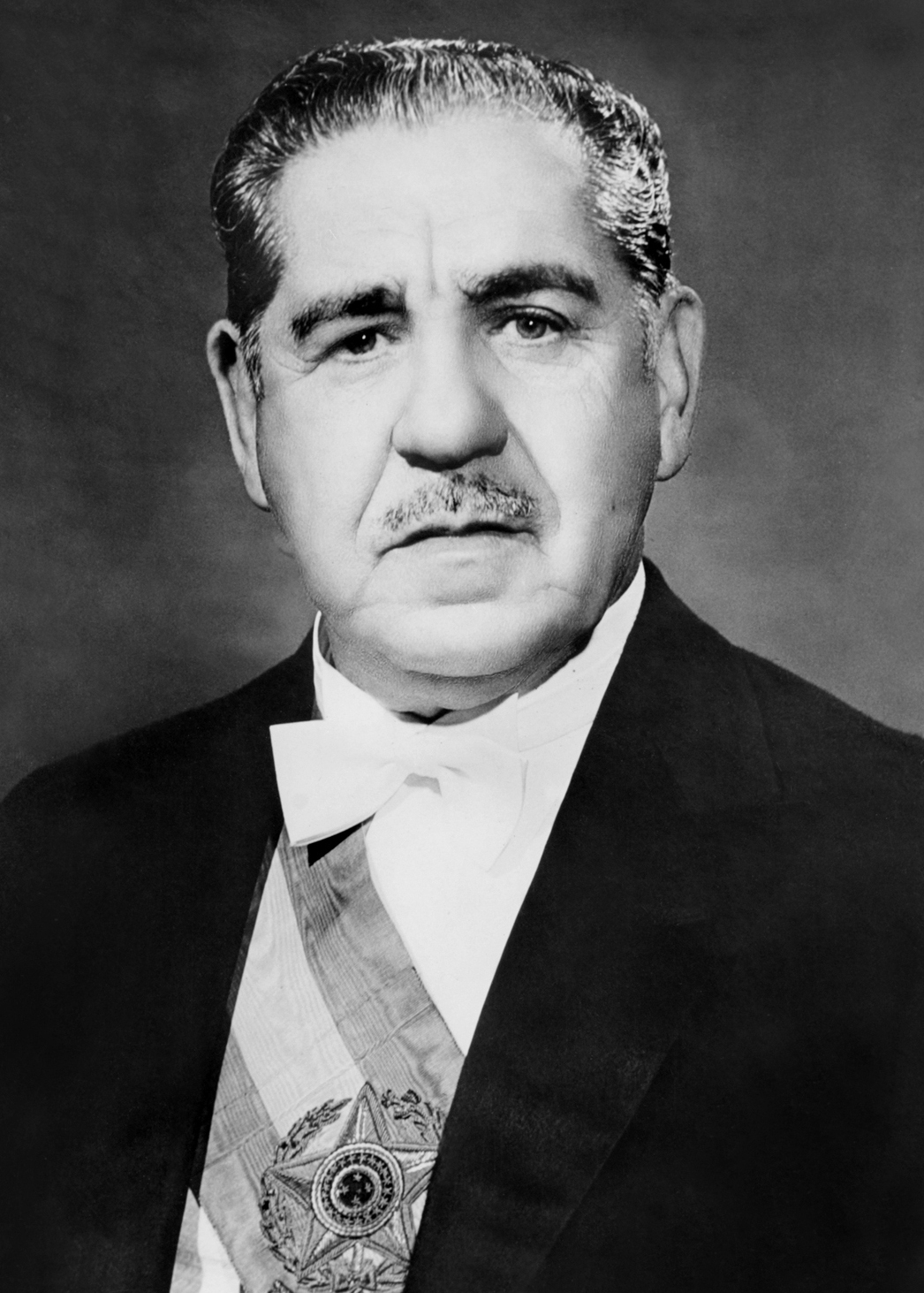
Artur da Costa e Silva (Portuguese: [aʁˈtuʁ dɐ ˈkɔstɐ i ˈsiwvɐ]; 3 October 1899 – 17 December 1969) was a Brazilian Army Marshal and the second president of the Brazilian military government that came to power after the 1964 coup d'état. He reached the rank of Marshal of the Brazilian Army, and held the post of Minister of War in the military government of president Castelo Branco.
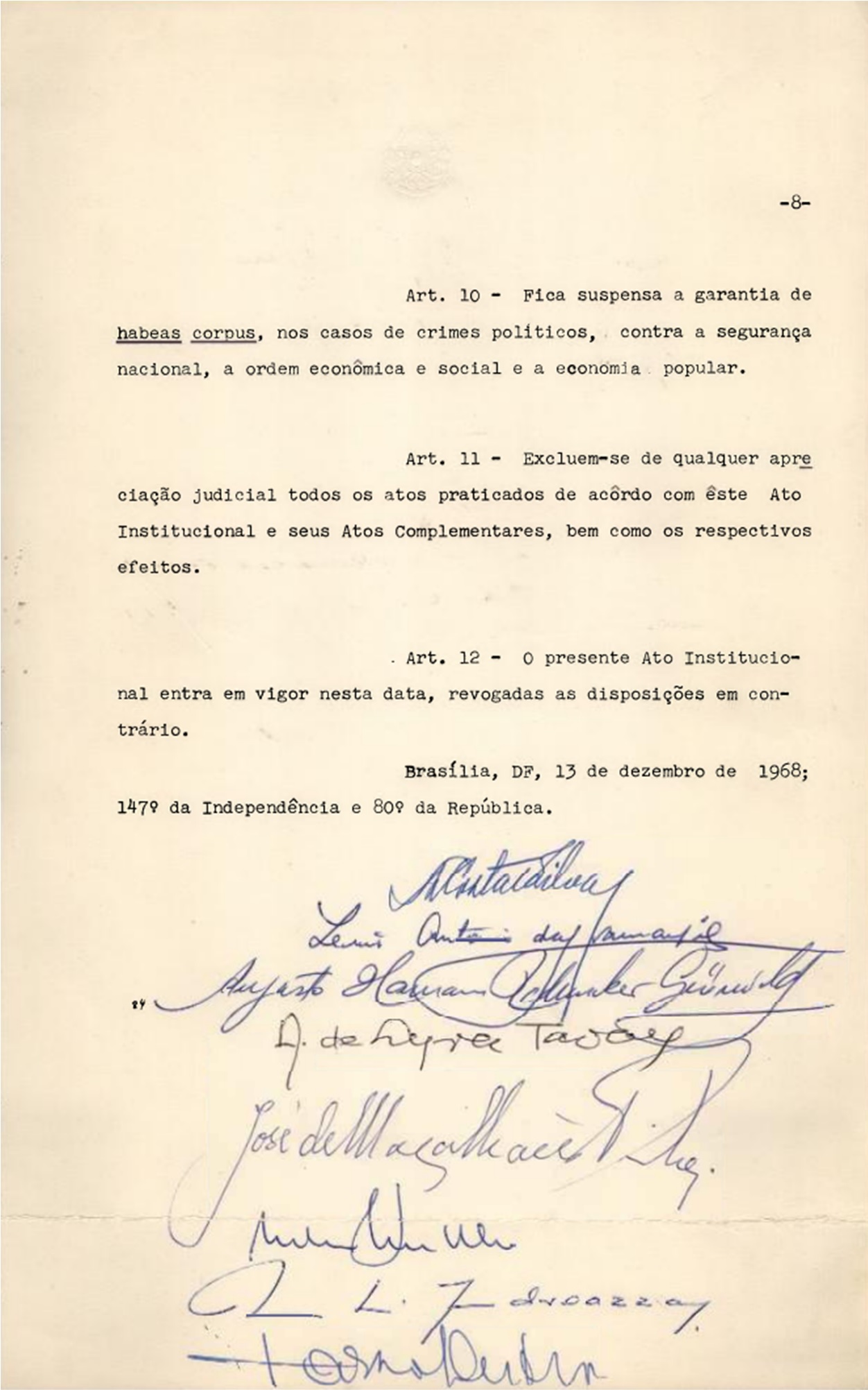
His administration, following the enactment of Institutional Act 5 (AI-5), marked the beginning of the harshest and most brutal phase of the military dictatorship, which was continued by General Emílio Garrastazu Médici, his successor. AI-5 granted him the power to shut down the National Congress, remove politicians from office, and institutionalize repression in response to the growing opposition to the regime. This repression was carried out through both legal and illegal means, including the torture of civilians.
Costa e Silva's government was also characterized by a 15.72% growth in GDP (an average of 7.86%) and a 10.68% increase in per capita income (an average of 5.34%), thanks to the Government Economic Action Program (PAEG). Costa e Silva took office with inflation at 25.01% and left it at 19.31%, during a period known as the Brazilian economic miracle, which lasted from 1968 to 1973.
Early life
Birth
Costa e Silva was born in Taquari in Rio Grande do Sul state on 3 October 1899. While several sources erroneously suggest that Costa e Silva's parents were Portuguese from Madeira, both his parents were Brazilians, although one of his great-grandparents was a Portuguese immigrant from Lisbon.
Military career
Costa e Silva began his military career by entering the Military College of Porto Alegre, where he finished first of his class and commander of the cadet corps. He then entered the Military School of Realengo in Rio de Janeiro in 1918, where he finished third of his class. Made an aspirant on January 18, 1921, he was commissioned 2nd Lieutenant in 1922 and was stationed with the 1st Infantry Regiment in Vila Militar until 5 July 1922, when he was involved in Tenentist rebellion and imprisoned for six months. He then married Iolanda Barbosa Costa e Silva, an officer's daughter.
As part of a joint program, he was trained in the United States of America from January to June 1944, after having been an assistant instructor of general tactics at the School for Command and the Army General-Staff. He served as a military attaché in Argentina from 1950 to 1952, and was then appointed to command the 3rd Military Region (Rio Grande do Sul) from 1957 to 1959, and to command of the 4th Army (Pernambuco) from August 1961 to September 1962. He was then appointed chief of the General Personnel Department and later the chief of the Department of Production and Works.