
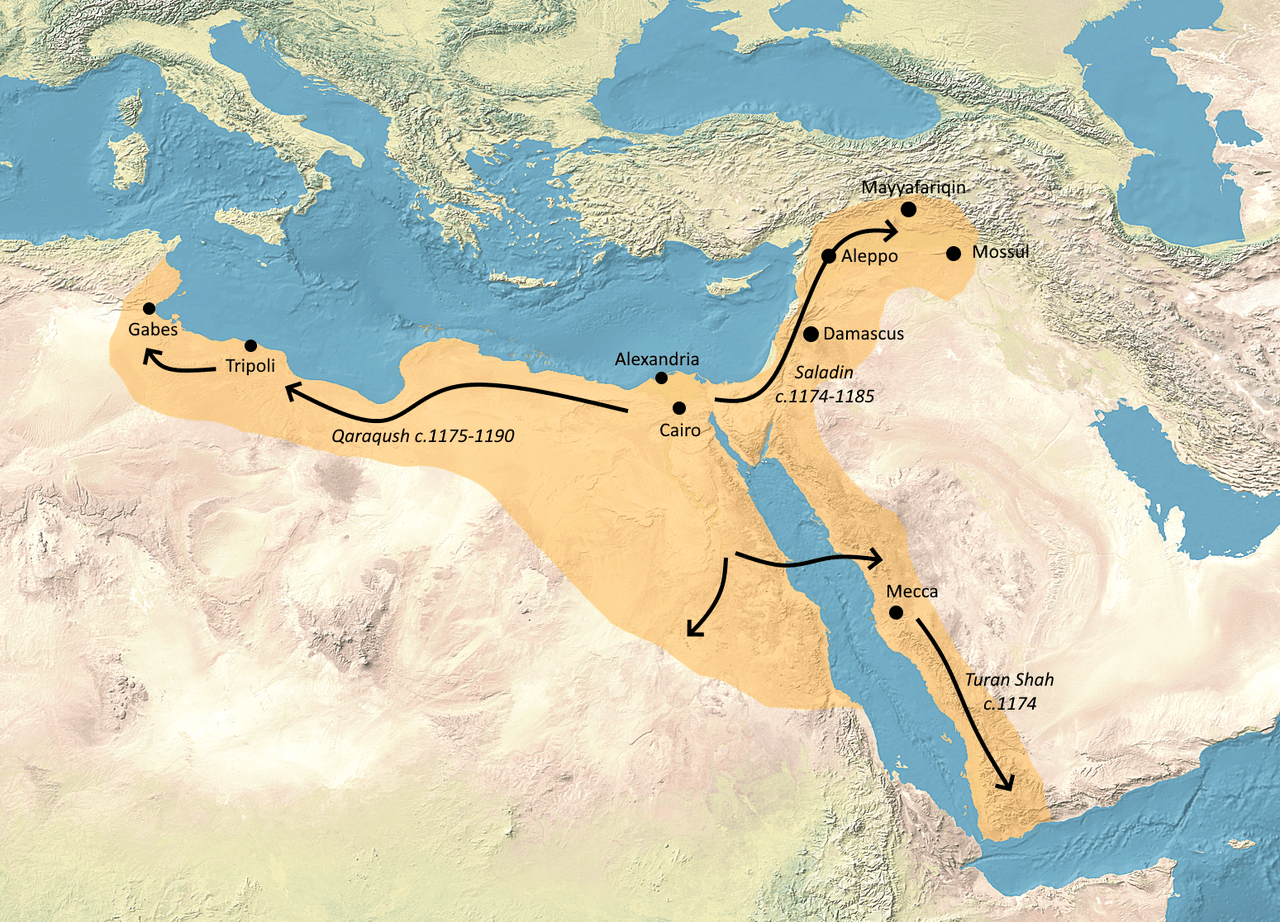
Salah ad-Din Yusuf ibn Ayyub (c. 1137 – 4 March 1193), commonly known as Saladin, was a Kurdish commander and political leader. He was the founder of the Ayyubid dynasty and the first sultan of both Egypt and Syria. An important figure of the Third Crusade, he spearheaded the Muslim military effort against the Crusader states in the Levant. At the height of his power, the Ayyubid realm spanned Egypt, Syria, Upper Mesopotamia, the Hejaz, Yemen, and Nubia.
Alongside his uncle Shirkuh, a Kurdish mercenary commander in service of the Zengid dynasty, Saladin was sent to Fatimid Egypt in 1164, on the orders of the Zengid ruler Nur ad-Din. With their original purpose being to help restore Shawar as the vizier to the teenage Fatimid caliph al-Adid, a power struggle ensued between Shirkuh and Shawar after the latter was reinstated. Saladin, meanwhile, climbed the ranks of the Fatimid government by virtue of his military successes against Crusader assaults and his personal closeness to al-Adid. After Shawar was assassinated and Shirkuh died in 1169, al-Adid appointed Saladin as vizier. During his tenure, Saladin, a Sunni Muslim, began to undermine the Fatimid establishment; following al-Adid's death in 1171, he abolished the Cairo-based Fatimid Caliphate who was an Isma'ili (a branch within Shia Islam), and realigned Egypt with the Baghdad-based Sunni Abbasid Caliphate.
In the following years, Saladin led forays against the Crusaders in Palestine, commissioned the successful conquest of Yemen, and staved off pro-Fatimid rebellions in Egypt. Not long after Nur ad-Din died in 1174, Saladin launched his conquest of Syria, peacefully entering Damascus at the request of its governor. By mid-1175, Saladin had conquered Hama and Homs, inviting the animosity of other Zengid lords, who were the official rulers of Syria's principalities; he subsequently defeated the Zengids at the Battle of the Horns of Hama in 1175 and was thereafter proclaimed the Sultan of Egypt and Syria by the Abbasid caliph al-Mustadi. Saladin launched further conquests in northern Syria and Upper Mesopotamia, escaping two attempts on his life by the Order of Assassins before returning to Egypt in 1177 to address local issues there. By 1182, Saladin had completed the conquest of Syria after capturing Aleppo but failed to take over the Zengid stronghold of Mosul.
Under Saladin's command, the Ayyubid army defeated the Crusaders at the decisive Battle of Hattin in 1187, capturing Jerusalem and re-establishing Muslim military dominance in the Levant. Although the Crusaders' Kingdom of Jerusalem persisted until the late 13th century, the defeat in 1187 marked a turning point in the Christian military effort against Muslim powers in the region. Saladin died in Damascus in 1193, having given away much of his personal wealth to his subjects; he is buried in a mausoleum adjacent to the Umayyad Mosque. Alongside his significance to Muslim culture, Saladin is revered prominently in Kurdish, Turkic, Arab and even Western culture. He has frequently been described as the most famous Kurdish figure in history.
Early life
Saladin was born in Tikrit in present-day Iraq. His personal name was "Yusuf"; "Salah ad-Din" is a laqab, an honorific epithet, meaning "Righteousness of the Faith". His parents were of Kurdish ancestry, and had originated from the village of Ajdanakan near the city of Dvin in central Armenia. He was the son of a Kurdish mercenary Najm ad-Din Ayyub.
In Saladin's era, no scholar had more influence than sheikh Abdul Qadir Gilani, and Saladin was strongly influenced and aided by him and his pupils. In 1132, the defeated army of Zengi, Atabeg of Mosul, found their retreat blocked by the Tigris River opposite the fortress of Tikrit, where Saladin's father, Najm ad-Din Ayyub served as the warden. Ayyub provided ferries for the army and gave them refuge in Tikrit. Mujahid ad-Din Bihruz, a former Greek slave who had been appointed as the military governor of northern Mesopotamia for his service to the Seljuks, reprimanded Ayyub for giving Zengi refuge, and in 1137 banished Ayyub from Tikrit after his brother Asad ad-Din Shirkuh killed a friend of Bihruz. According to Baha ad-Din ibn Shaddad, Saladin was born the same night his family left Tikrit. In 1139, Ayyub and his family moved to Mosul, where Imad ad-Din Zengi acknowledged his debt and appointed Ayyub commander of his fortress in Baalbek. After the death of Zengi in 1146, his son, Nur ad-Din, became the regent of Aleppo and the leader of the Zengids.
Saladin, who now lived in Damascus, was reportedly fond of the city, but information on his early childhood is scarce. About education, Saladin wrote, "Children are brought up in the way in which their elders were brought up". According to his biographers, Anne-Marie Eddé and al-Wahrani, Saladin was able to answer questions on Euclid, the Almagest, arithmetic, and law, but this was an academic ideal. It was his knowledge of the Qur'an and the "sciences of religion" that linked him to his contemporaries; several sources claim that during his studies, he was more interested in religious studies than joining the military. Another factor which may have affected his interest in religion was that, during the First Crusade, Jerusalem was taken by the Christians. In addition to Islam, Saladin knew the genealogies, biographies, and histories of the Arabs, as well as the bloodlines of Arabian horses. More significantly, he knew the Hamasah of Abu Tammam by heart. He spoke Kurdish and Arabic, and knew Turkish and Persian.
Personality and religious leanings
According to Baha ad-Din ibn Shaddad (one of Saladin's contemporary biographers), Saladin was a pious Muslim—he loved hearing Qur'an recitals, prayed punctually, and "hated the philosophers, those that denied God's attributes, the materialists and those who stubbornly rejected the Holy Law." He was also a supporter of Sufism and a patron of khanqahs (Sufi hostels) in Egypt and Syria, in addition to madrasas that provided orthodox Sunni teachings. Above all else he was a devotee of jihad:
The sacred works [Koran, hadith, etc.] are full of passages referring to the jihad. Saladin was more assiduous and zealous in this than in anything else.... Jihad and the suffering involved in it weighed heavily on his heart and his whole being in every limb; he spoke of nothing else, thought only about equipment for the fight, was interested only in those who had taken up arms, had little sympathy with anyone who spoke of anything else or encouraged any other activity.
In 1174, Saladin ordered the arrest of a Sufi mystic, Qadid al-Qaffas (Arabic: قديد القفاص), in Alexandria. In 1191, he ordered his son to execute the Sufi philosopher Yahya al-Suhrawardi, the founder of the Illuminationist current in Muslim philosophy, in Aleppo. Ibn Shaddad, who describes this event as part of his chapter on the sultan's piety, states that Al-Suhrawardi was said to have "rejected the Holy Law and declared it invalid." After consulting with some of the ulama (religious scholars), Saladin ordered al-Suhrawardi's execution. Saladin also opposed the Order of Assassins, an extremist Isma'ili Shi'i sect in Iran and Syria, seeing them as heretics and as being too close with the Crusaders.
Saladin welcomed Asiatic Sufis to Egypt, and he and his followers founded and endowed many khanqahs and zawiyas of which al-Maqrizi gives a long list. However, it is not yet clear what Saladin's interests in the khanqah actually were and why he specifically wanted Sufis from outside Egypt. The answers to these questions lie in the kinds of Sufis he wished to attract. In addition to requiring that the Sufis come from outside Egypt, the waqfiyya seems to have specified that they be of a very particular type: The inhabitants of the khanqah were known for religious knowledge and piety and their baraka (blessings) was sought after... The founder stipulated that the khanqah be endowed for the Sufis as a group, those coming from abroad and settling in Cairo and Fustat. If those could not be found, then it would be for the poor jurists, either Shafi'i or Maliki, and Ash'ari in their creed.
Early expeditions
Saladin's military career began under the tutelage of his paternal uncle Shirkuh, a prominent military commander under Nur ad-Din, the Zengid emir of Damascus and Aleppo and the most influential teacher of Saladin. In 1163, Shawar, the vizier to al-Adid, who was the Fatimid caliph at the time, had been driven out of Egypt by his rival Dirgham, a member of the powerful Banu Ruzzaik tribe. He asked for military backing from Nur ad-Din, who complied, and in 1164, sent Shirkuh to aid Shawar in his expedition against Dirgham. Saladin, at age 26, went along with them. After Shawar was successfully reinstated as vizier, he demanded that Shirkuh withdraw his army from Egypt for a sum of 30,000 gold dinars, but he refused, insisting it was Nur ad-Din's will that he remain. Saladin's role in this expedition was minor, and it is known that he was ordered by Shirkuh to collect stores from Bilbais prior to its siege by a combined force of Crusaders and Shawar's troops.
After the sacking of Bilbais, the Crusader–Egyptian force and Shirkuh's army were to engage in the Battle of al-Babein on the desert border of the Nile, just west of Giza. Saladin played a major role, commanding the right wing of the Zengid army, while a force of Kurds commanded the left, and Shirkuh was stationed in the centre. Muslim sources at the time, however, put Saladin in the "baggage of the centre" with orders to lure the enemy into a trap by staging a feigned retreat. The Crusader force enjoyed early success against Shirkuh's troops, but the terrain was too steep and sandy for their horses, and commander Hugh of Caesarea was captured while attacking Saladin's unit. After scattered fighting in little valleys to the south of the main position, the Zengid central force returned to the offensive; Saladin joined in from the rear.
The battle ended in a Zengid victory, and Saladin is credited with having helped Shirkuh in one of the "most remarkable victories in recorded history" according to Ibn al-Athir, although more of Shirkuh's men were killed and the battle is considered by most sources as not a total victory. Saladin and Shirkuh moved towards Alexandria where they were welcomed, given money and arms, and provided a base. Faced by a superior Crusader–Egyptian force attempting to besiege the city, Shirkuh split his army. He and the bulk of his force withdrew from Alexandria, while Saladin was left with the task of guarding the city, where he was besieged.
In Egypt
Vizier of Egypt
Shirkuh was in a power struggle over Egypt with Shawar and Amalric I of Jerusalem in which Shawar requested Amalric's assistance. In 1169, Shawar was reportedly assassinated by Saladin, and Shirkuh died later that year. Following his death, a number of candidates were considered for the role of vizier to al-Adid, most of whom were ethnic Kurds. Their ethnic solidarity came to shape the Ayyubid family's actions in their political career. Saladin and his close associates were wary of Turkish influence. On one occasion, Isa al-Hakkari, a Kurdish lieutenant of Saladin, urged a candidate for the viziership, Emir Qutb ad-Din al-Hadhbani, to step aside by arguing that "both you and Saladin are Kurds and you will not let the power pass into the hands of the Turks". Nur ad-Din chose a successor for Shirkuh, but al-Adid appointed Saladin to replace Shawar as vizier.
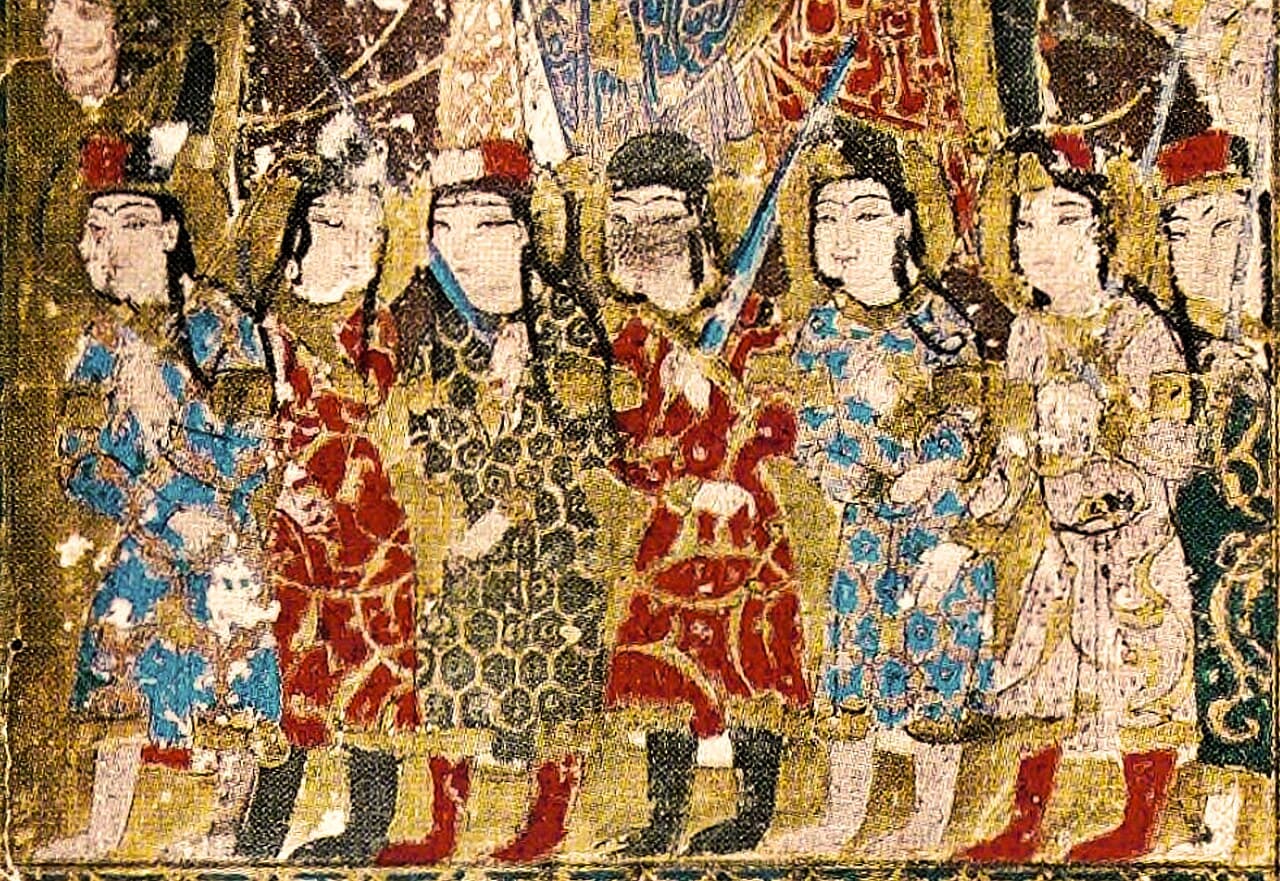
The reasoning behind the Shia caliph al-Adid's selection of Saladin, a Sunni, varies. Ibn al-Athir claims that the caliph chose him after being told by his advisers that "there is no one weaker or younger" than Saladin, and "not one of the emirs [commanders] obeyed him or served him". However, according to this version, after some bargaining, he was eventually accepted by the majority of the emirs. Al-Adid's advisers were also suspected of promoting Saladin in an attempt to split the Syria-based Zengids. Al-Wahrani wrote that Saladin was selected because of the reputation of his family in their "generosity and military prowess". Imad ad-Din wrote that after the brief mourning period for Shirkuh, during which "opinions differed", the Zengid emirs decided upon Saladin and forced the caliph to "invest him as vizier". Although positions were complicated by rival Muslim leaders, the bulk of the Syrian commanders supported Saladin because of his role in the Egyptian expedition, in which he gained a record of military qualifications.
Inaugurated as vizier on 26 March, Saladin repented "wine-drinking and turned from frivolity to assume the dress of religion", according to Arabic sources of the time. Having gained more power and independence than ever before in his career, he still faced the issue of ultimate loyalty between al-Adid and Nur ad-Din. Later in the year, a group of Egyptian soldiers and emirs attempted to assassinate Saladin, but having already known of their intentions thanks to his intelligence chief Ali ibn Safyan, he had the chief conspirator, Naji, Mu'tamin al-Khilafa—the civilian controller of the Fatimid Palace—arrested and killed. The day after, 50,000 Black African soldiers from the regiments of the Fatimid army opposed to Saladin's rule, along with Egyptian emirs and commoners, staged a revolt. By 23 August, Saladin had decisively quelled the uprising, and never again had to face a military challenge from Cairo.
Towards the end of 1169, Saladin, with reinforcements from Nur ad-Din, defeated a massive Crusader-Byzantine force near Damietta. Afterwards, in the spring of 1170, Nur ad-Din sent Saladin's father to Egypt in compliance with Saladin's request, as well as encouragement from the Baghdad-based Abbasid caliph, al-Mustanjid, who aimed to pressure Saladin in deposing his rival caliph, al-Ad. Saladin himself had been strengthening his hold on Egypt and widening his support base there. He began granting his family members high-ranking positions in the region; he ordered the construction of a college for the Maliki branch of Sunni Islam in the city, as well as one for the Shafi'i denomination to which he belonged in al-Fustat.
After establishing himself in Egypt, Saladin launched a campaign against the Crusaders, besieging Darum in 1170. Amalric withdrew his Knights Templar garrison from Gaza to assist him in defending Darum, but Saladin evaded their force and captured Gaza in 1187. In 1191 Saladin destroyed the fortifications in Gaza built by King Baldwin III for the Knights Templar. It is unclear exactly when, but during that same year, he attacked and captured the Crusader castle of Eilat, built on an island off the head of the Gulf of Aqaba. It did not pose a threat to the passage of the Muslim navy but could harass smaller parties of Muslim ships, and Saladin decided to clear it from his path.
Sultan of Egypt
According to Imad ad-Din, Nur ad-Din wrote to Saladin in June 1171, telling him to reestablish the Abbasid caliphate in Egypt, which Saladin coordinated two months later after additional encouragement by Najm ad-Din al-Khabushani, the Shafi'i faqih, who vehemently opposed Shia rule in the country. Several Egyptian emirs were thus killed, but al-Adid was told that they were killed for rebelling against him. He then fell ill or was poisoned according to one account. While ill, he asked Saladin to pay him a visit to request that he take care of his young children, but Saladin refused, fearing treachery against the Abbasids, and is said to have regretted his action after realizing what al-Adid had wanted. He died on 13 September, and five days later, the Abbasid khutba was pronounced in Cairo and al-Fustat, proclaiming al-Mustadi as caliph.
On 25 September, Saladin left Cairo to take part in a joint attack on Kerak and Montréal, the desert castles of the Kingdom of Jerusalem, with Nur ad-Din who would attack from Syria. Prior to arriving at Montreal, Saladin however withdrew back to Cairo as he received the reports that in his absence the Crusader leaders had increased their support to the traitors inside Egypt to attack Saladin from within and lessen his power, especially the Fatimid who started plotting to restore their past glory. Because of this, Nur ad-Din went on alone.
During the summer of 1173, a Nubian army along with a contingent of Armenian former Fatimid troops were reported on the Egyptian border, preparing for a siege against Aswan. The emir of the city had requested Saladin's assistance and was given reinforcements under Turan-Shah, Saladin's brother. Consequently, the Nubians departed; but returned in 1173 and were again driven off. This time, Egyptian forces advanced from Aswan and captured the Nubian town of Ibrim. Saladin sent a gift to Nur ad-Din, who had been his friend and teacher, 60,000 dinars, "wonderful manufactured goods", some jewels, and an elephant. While transporting these goods to Damascus, Saladin took the opportunity to ravage the Crusader countryside. He did not press an attack against the desert castles, but attempted to drive out the Muslim Bedouins who lived in Crusader territory with the aim of depriving the Franks of guides.
On 31 July 1173, Saladin's father Ayyub was wounded in a horse-riding accident, ultimately causing his death on 9 August. In 1174, Saladin sent Turan-Shah to conquer Yemen to allocate it and its port Aden to the territories of the Ayyubid Dynasty.
Conquest of Syria
Conquest of Damascus
In the early summer of 1174, Nur ad-Din was mustering an army, sending summons to Mosul, Diyar Bakr, and the Jazira in an apparent preparation of an attack against Saladin's Egypt. The Ayyubids held a council upon the revelation of these preparations to discuss the possible threat, and Saladin collected his own troops outside Cairo. On 15 May, Nur ad-Din died after falling ill the previous week and his power was handed to his eleven-year-old son as-Salih Ismail al-Malik. His death left Saladin with political independence and in a letter to as-Salih, he promised to "act as a sword" against his enemies and referred to the death of his father as an "earthquake shock".
In the wake of Nur ad-Din's death, Saladin faced a difficult decision; he could move his army against the Crusaders from Egypt or wait until invited by as-Salih in Syria to come to his aid and launch a war from there. He could also take it upon himself to annex Syria before it could possibly fall into the hands of a rival, but he feared that attacking a land that formerly belonged to his master—forbidden in the Muslim principles in which he believed—could portray him as hypocritical, thus making him unsuitable for leading the war against the Crusaders. Saladin saw that in order to acquire Syria, he needed either an invitation from as-Salih or to warn him that potential anarchy could give rise to danger from the Crusaders.
When as-Salih was removed to Aleppo in August, Gumushtigin, the emir of the city and a captain of Nur ad-Din's veterans assumed guardianship over him. The emir prepared to unseat all his rivals in Syria and the Jazira, beginning with Damascus. In this emergency, the emir of Damascus appealed to Saif ad-Din of Mosul (a cousin of Gumushtigin) for assistance against Aleppo, but he refused, forcing the Syrians to request the aid of Saladin, who complied. Saladin rode across the desert with 700 picked horsemen, passing through al-Kerak then reaching Bosra. According to his own account, was joined by "emirs, soldiers, and Bedouins—the emotions of their hearts to be seen on their faces." On 23 November, he arrived in Damascus amid general acclamation and rested at his father's old home there, until the gates of the Citadel of Damascus, whose commander Raihan initially refused to surrender, were opened to Saladin four days later, after a brief siege by his brother Tughtakin ibn Ayyub. He installed himself in the castle and received the praise of the inhabitants.
Further conquests in Syria
Leaving his brother Tughtakin ibn Ayyub as Governor of Damascus, Saladin proceeded to reduce other cities that had belonged to Nur ad-Din, but were now practically independent. His army conquered Hama with relative ease, but avoided attacking Homs because of the strength of its citadel. Saladin moved north towards Aleppo, besieging it on 30 December after Gumushtigin refused to abdicate his throne. As-Salih, fearing capture by Saladin, came out of his palace and appealed to the inhabitants not to surrender him and the city to the invading force. One of Saladin's chroniclers claimed "the people came under his spell".
Gumushtigin requested Rashid ad-Din Sinan, chief da'i of the Order of Assassins of Syria, who were already at odds with Saladin since he replaced the Fatimids of Egypt, to assassinate Saladin in his camp. On 11 May 1175, a group of thirteen Assassins easily gained admission into Saladin's camp, but were detected immediately before they carried out their attack by Nasih ad-Din Khumartekin of Abu Qubays. One was killed by one of Saladin's generals and the others were slain while trying to escape. To deter Saladin's progress, Raymond of Tripoli gathered his forces by Nahr al-Kabir, where they were well placed for an attack on Muslim territory. Saladin later moved toward Homs instead, but retreated after being told a relief force was being sent to the city by Saif ad-Din.
Meanwhile, Saladin's rivals in Syria and Jazira waged a propaganda war against him, claiming he had "forgotten his own condition [servant of Nur ad-Din]" and showed no gratitude for his old master by besieging his son, rising "in rebellion against his Lord". Saladin aimed to counter this propaganda by ending the siege, claiming that he was defending Islam from the Crusaders; his army returned to Hama to engage a Crusader force there. The Crusaders withdrew beforehand and Saladin proclaimed it "a victory opening the gates of men's hearts". Soon after, Saladin entered Homs and captured its citadel in March 1175, after stubborn resistance from its defenders.
Saladin's successes alarmed Saif ad-Din. As head of the Zengids, including Gumushtigin, he regarded Syria and Mesopotamia as his family estate and was angered when Saladin attempted to usurp his dynasty's holdings. Saif ad-Din mustered a large army and dispatched it to Aleppo, whose defenders anxiously had awaited them. The combined forces of Mosul and Aleppo marched against Saladin in Hama. Heavily outnumbered, Saladin initially attempted to make terms with the Zengids by abandoning all conquests north of the Damascus province, but they refused, insisting he return to Egypt. Seeing that confrontation was unavoidable, Saladin prepared for battle, taking up a superior position at the Horns of Hama, hills by the gorge of the Orontes River. On 13 April 1175, the Zengid troops marched to attack his forces, but soon found themselves surrounded by Saladin's Ayyubid veterans, who crushed them. The battle ended in a decisive victory for Saladin, who pursued the Zengid fugitives to the gates of Aleppo, forcing as-Salih's advisers to recognize Saladin's control of the provinces of Damascus, Homs, and Hama, as well as a number of towns outside Aleppo such as Ma'arat al-Numan.
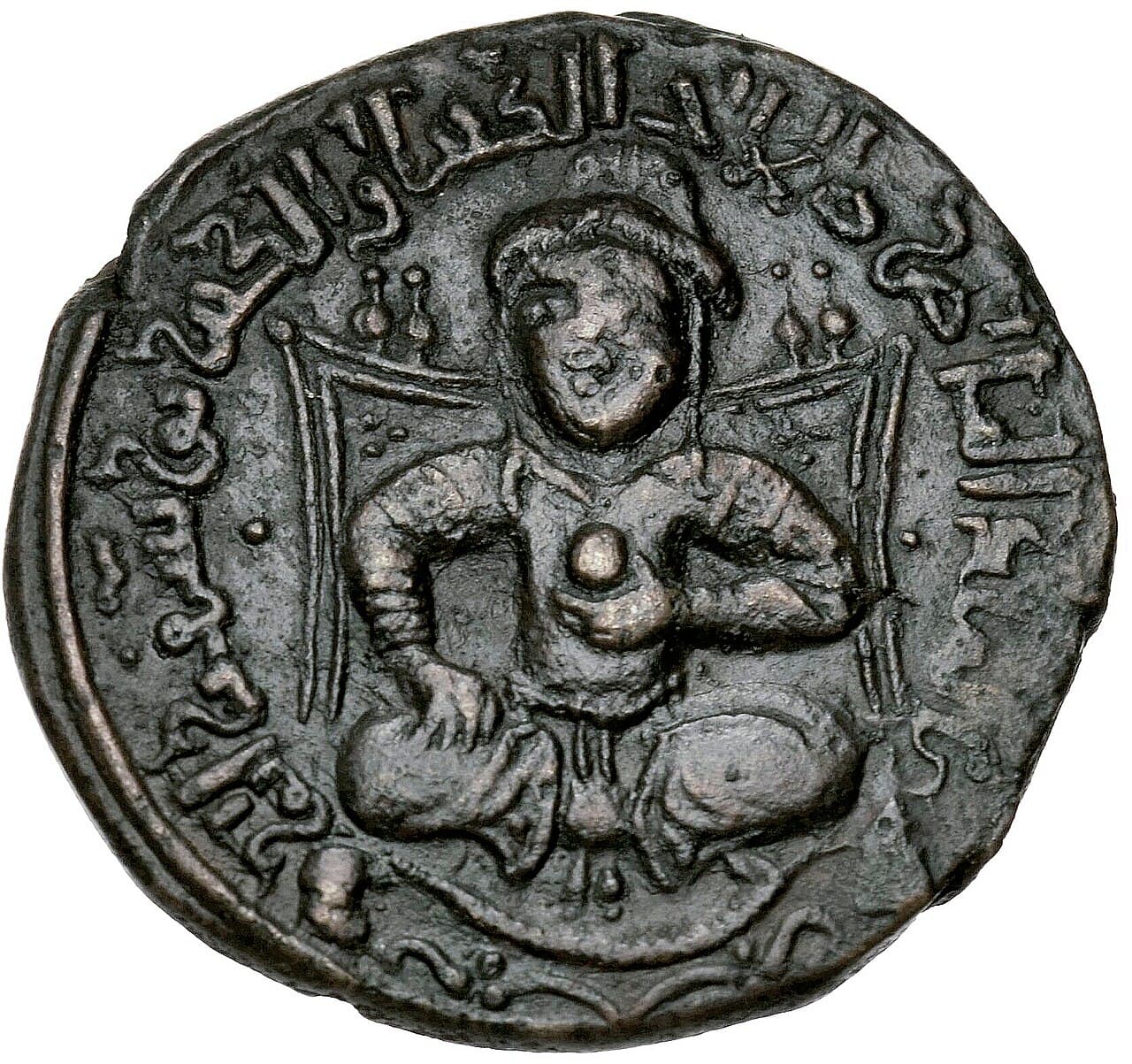
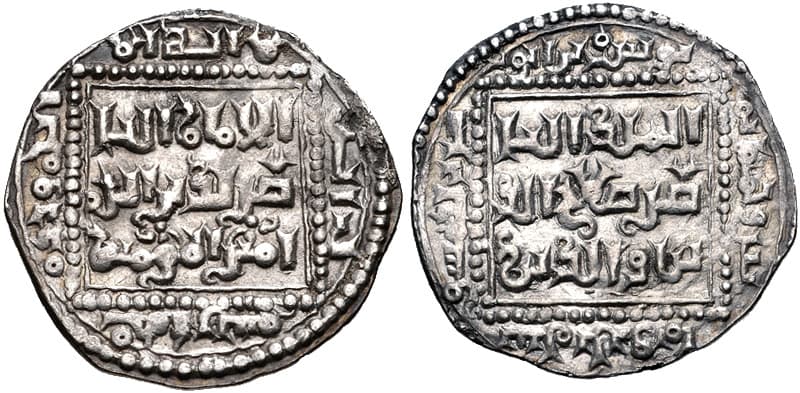
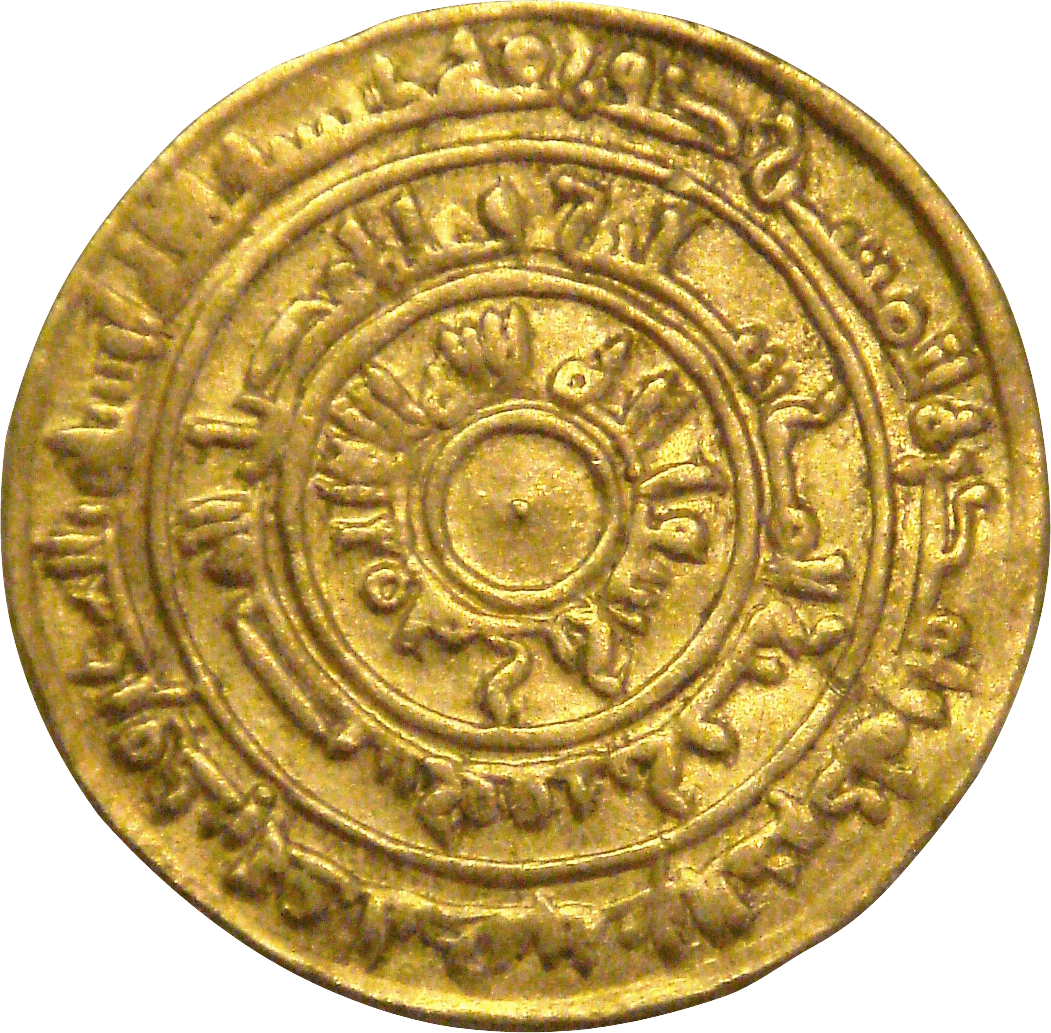
After his victory against the Zengids, Saladin proclaimed himself king, and suppressed the name of as-Salih in Friday prayers and Muslim coinage. From then on, he ordered prayers in all the mosques of Syria and Egypt as the sovereign king and he issued at the Cairo mint gold coins bearing his official title—al-Malik an-Nasir Yusuf Ayyub, ala ghaya "the King Strong to Aid, Joseph son of Job; exalted be the standard." The Abbasid caliph in Baghdad graciously welcomed Saladin's assumption of power and declared him "Sultan of Egypt and Syria". The Battle of Hama did not end the contest for power between the Ayyubids and the Zengids, with the final confrontation occurring in the spring of 1176. Saladin had gathered massive reinforcements from Egypt while Saif ad-Din was levying troops among the minor states of Diyarbakir and al-Jazira. When Saladin crossed the Orontes, leaving Hama, the sun was eclipsed. He viewed this as an omen, but he continued his march north. He reached the Sultan's Mound, roughly 25 km (16 mi) from Aleppo, where his forces encountered Saif ad-Din's army. A hand-to-hand fight ensued and the Zengids managed to plough Saladin's left-wing, driving it before him when Saladin himself charged at the head of the Zengid guard. The Zengid forces panicked and most of Saif ad-Din's officers ended up being killed or captured—Saif ad-Din narrowly escaped. The Zengid army's camp, horses, baggage, tents, and stores were seized by the Ayyubids. The Zengid prisoners of war, however, were given gifts and freed. All of the booty from the Ayyubid victory was accorded to the army, Saladin not keeping anything himself.
He continued towards Aleppo, which still closed its gates to him, halting before the city. On the way, his army took Buza'a and then captured Manbij. From there, they headed west to besiege the fortress of A'zaz on 15 May. Several days later, while Saladin was resting in one of his captain's tents, an Assassin rushed forward at him and struck at his head with a knife. The cap of his head armour was not penetrated and he managed to grip the Assassin's hand—the dagger only slashing his gambeson—and the assailant was soon killed. Saladin was unnerved at the attempt on his life, which he accused Gumushtugin and the Assassins of plotting, and so increased his efforts in the siege.
A'zaz capitulated on 21 June, and Saladin then hurried his forces to Aleppo to punish Gumushtigin. His assaults were again resisted, but he managed to secure not only a truce, but a mutual alliance with Aleppo, in which Gumushtigin and as-Salih were allowed to continue their hold on the city, and in return, they recognized Saladin as the sovereign over all of the dominions he conquered. The emirs of Mardin and Keyfa, the Muslim allies of Aleppo, also recognised Saladin as the King of Syria. When the treaty was concluded, the younger sister of as-Salih came to Saladin and requested the return of the Fortress of A'zaz; he complied and escorted her back to the gates of Aleppo with numerous presents.
Campaign against the Assassins
Saladin had by now agreed to truces with his Zengid rivals and the Kingdom of Jerusalem (the latter occurred in the summer of 1175), but faced a threat from the Order of Assassins, led by Rashid ad-Din Sinan. Based in the an-Nusayriyah Mountains, they commanded nine fortresses, all built on high elevations. As soon as he dispatched the bulk of his troops to Egypt, Saladin led his army into the an-Nusayriyah range in August 1176. He retreated the same month, after laying waste to the countryside, but failing to conquer any of the forts. Most Muslim historians claim that Saladin's uncle, the governor of Hama, mediated a peace agreement between him and Sinan.
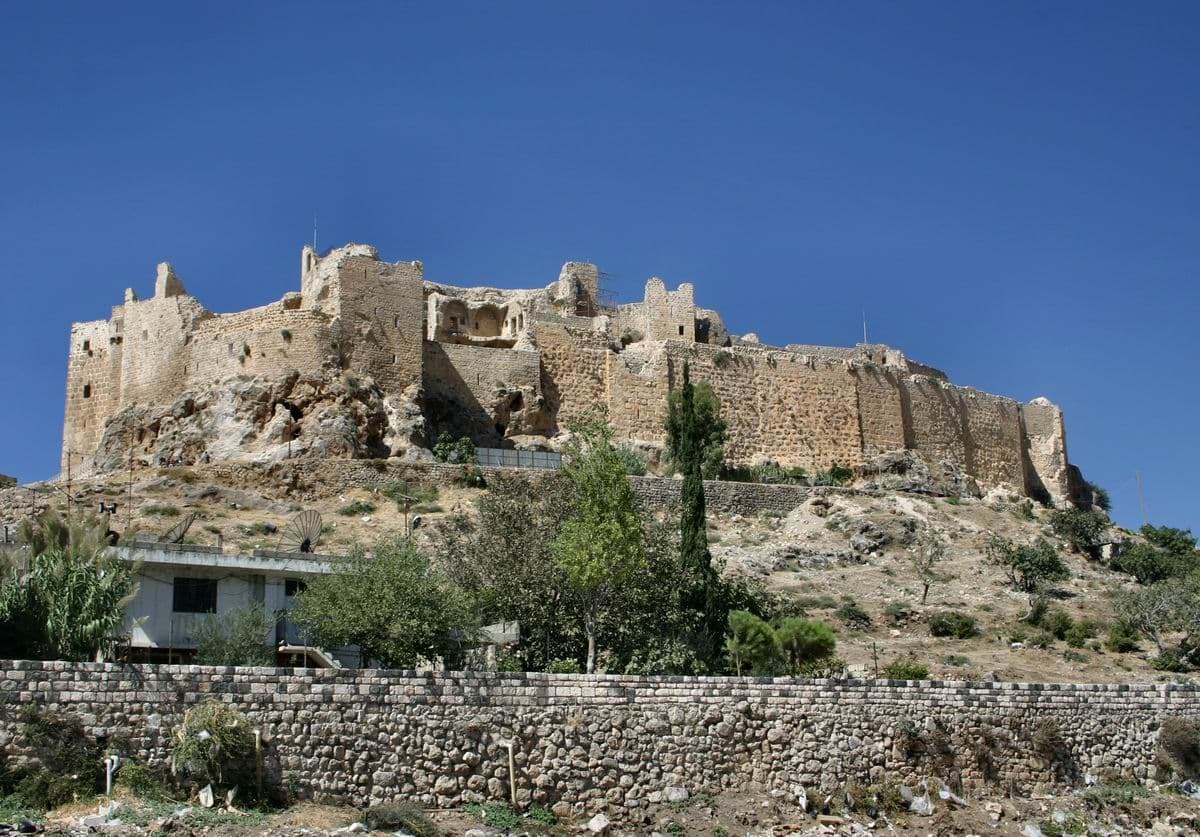
Saladin had his guards supplied with link lights and had chalk and cinders strewed around his tent outside Masyaf—which he was besieging—to detect any footsteps by the Assassins. According to this version, one night Saladin's guards noticed a spark glowing down the hill of Masyaf and then vanishing among the Ayyubid tents. Presently, Saladin awoke to find a figure leaving the tent. He saw that the lamps were displaced and beside his bed laid hot scones of the shape peculiar to the Assassins with a note at the top pinned by a poisoned dagger. The note threatened that he would be killed if he did not withdraw from his assault. Saladin gave a loud cry, exclaiming that Sinan himself was the figure that had left the tent.
Another version claims that Saladin hastily withdrew his troops from Masyaf because they were urgently needed to fend off a Crusader force in the vicinity of Mount Lebanon. In reality, Saladin sought to form an alliance with Sinan and his Assassins, consequently depriving the Crusaders of a potent ally against him. Viewing the expulsion of the Crusaders as a mutual benefit and priority, Saladin and Sinan maintained cooperative relations afterwards, the latter dispatching contingents of his forces to bolster Saladin's army in a number of decisive subsequent battlefronts.
Return to Cairo and forays in Palestine
After leaving the an-Nusayriyah Mountains, Saladin returned to Damascus, and had his Syrian soldiers return home. He left Turan Shah in command of Syria and left for Egypt with only his personal followers, reaching Cairo on 22 September. Having been absent for roughly two years, he had much to organize and supervise in Egypt, namely fortifying and reconstructing Cairo. The city walls were repaired and their extensions laid out, while the construction of the Cairo Citadel was commenced. The 280 feet (85 m) deep Bir Yusuf ("Joseph's Well") was built on Saladin's orders. The chief public work he commissioned outside of Cairo was the large bridge at Giza, which was intended to form an outwork of defence against a potential Moorish invasion.
Saladin remained in Cairo supervising its improvements, building colleges such as the Madrasa of the Sword Makers and ordering the internal administration of the country. In November 1177, he set out upon a raid into Palestine; the Crusaders had recently forayed into the territory of Damascus, so Saladin saw the truce as no longer worth preserving. The Christians sent a large portion of their army to besiege the fortress of Harim north of Aleppo, so southern Palestine bore few defenders. Saladin found the situation ripe and marched to Ascalon, which he referred to as the "Bride of Syria". William of Tyre recorded that the Ayyubid army consisted of 26,000 soldiers, of which 8,000 were elite forces and 18,000 were black soldiers from Sudan. This army proceeded to raid the countryside, sack Ramla and Lod, and disperse themselves as far as the Gates of Jerusalem.
Battles and truce with Baldwin
The Ayyubids allowed Baldwin IV of Jerusalem to enter Ascalon with his Gaza-based Knights Templar without taking any precautions against a sudden attack. Although the Crusader force consisted of only 375 knights, Saladin hesitated to ambush them because of the presence of highly skilled templar generals. On 25 November, while the greater part of the Ayyubid army was absent, Saladin and his men were surprised near Ramla in the battle of Montgisard (possibly at Gezer, also known as Tell Jezar). Before they could form up, the Templar force hacked the soldiers of the Ayyubid army down by sword. Initially, Saladin attempted to organize his men into battle order, but as his bodyguards were being killed, he saw that defeat was inevitable and retreated to Egypt on a swift camel with a small remnant of his troops.
Not discouraged by his defeat at Montgisard, Saladin was prepared to fight the Crusaders once again. In the spring of 1178, he was encamped under the walls of Homs, and a few skirmishes occurred between his generals and the Crusader army. His forces in Hama won a victory over their enemy and brought the spoils, together with many prisoners of war, to Saladin who ordered the captives to be beheaded for "plundering and laying waste the lands of the Faithful". He spent the rest of the year in Syria without a confrontation with his enemies.
Saladin's intelligence services reported to him that the Crusaders were planning a raid into Syria. He ordered one of his generals, Farrukh-Shah, to guard the Damascus frontier with a thousand of his men to watch for an attack, then to retire, avoiding battle, and to light warning beacons on the hills, after which Saladin would march out. In April 1179, the Crusaders and Templars led by King Baldwin expected no resistance and waited to launch a surprise attack on Muslim herders grazing their herds and flocks east of the Golan Heights. Baldwin advanced too rashly in pursuit of Farrukh-Shah's force, which was concentrated southeast of Quneitra and was subsequently defeated by the Ayyubids. With this victory, Saladin decided to call in more troops from Egypt; he requested al-Adil to dispatch 1,500 horsemen.
In the summer of 1179, King Baldwin had set up an outpost on the road to Damascus and aimed to fortify a passage over the Jordan River, known as Jacob's Ford, that commanded the approach to the Banias plain (the plain was divided by the Muslims and the Christians). Saladin had offered 100,000 gold pieces to Baldwin to abandon the project, which was particularly offensive to the Muslims, but to no avail. He then resolved to destroy the fortress, called "Chastellet" and defended by the Templar knights, moving his headquarters to Banias. As the Crusaders hurried down to attack the Muslim forces, they fell into disorder, with the infantry falling behind. Despite early success, they pursued the Muslims far enough to become scattered, and Saladin took advantage by rallying his troops and charging at the Crusaders. The engagement ended in a decisive Ayyubid victory, and many high-ranking knights were captured. Saladin then moved to besiege the fortress, which fell on 30 August 1179.
In the spring of 1180, while Saladin was in the area of Safad, anxious to commence a vigorous campaign against the Kingdom of Jerusalem, King Baldwin sent messengers to him with proposals of peace. Because droughts and bad harvests hampered his commissariat, Saladin agreed to a truce. Raymond of Tripoli denounced the truce but was compelled to accept after an Ayyubid raid on his territory in May and upon the appearance of Saladin's naval fleet off the port of Tartus.
Domestic affairs
In June 1180, Saladin hosted a reception for Nur ad-Din Muhammad, the Artuqid emir of Keyfa, at Geuk Su, in which he presented him and his brother Abu Bakr with gifts, valued at over 100,000 dinars according to Imad ad-Din. This was intended to cement an alliance with the Artuqids and to impress other emirs in Mesopotamia and Anatolia. Previously, Saladin offered to mediate relations between Nur ad-Din and Kilij Arslan II—the Seljuk sultan of Rûm—after the two came into conflict. The latter demanded that Nur ad-Din return the lands given to him as a dowry for marrying his daughter when he received reports that she was being abused and used to gain Seljuk territory. Nur ad-Din asked Saladin to mediate the issue, but Arslan refused.
After Nur ad-Din and Saladin met at Geuk Su, the top Seljuk emir, Ikhtiyar ad-Din al-Hasan, confirmed Arslan's submission, after which an agreement was drawn up. Saladin was later enraged when he received a message from Arslan accusing Nur ad-Din of more abuses against his daughter. He threatened to attack the city of Malatya, saying, "it is two days march for me and I shall not dismount [my horse] until I am in the city." Alarmed at the threat, the Seljuks pushed for negotiations. Saladin felt that Arslan was correct to care for his daughter, but Nur ad-Din had taken refuge with him, and therefore he could not betray his trust. It was finally agreed that Arslan's daughter would be sent away for a year, and if Nur ad-Din failed to comply, Saladin would move to abandon his support for him.
Leaving Farrukh-Shah in charge of Syria, Saladin returned to Cairo at the beginning of 1181. According to Abu Shama, he intended to spend the fast of Ramadan in Egypt and then make the hajj pilgrimage to Mecca in the summer. For an unknown reason, he apparently changed his plans regarding the pilgrimage and was seen inspecting the Nile River banks in June. He was again embroiled with the Bedouin; he removed two-thirds of their fiefs to use as compensation for the fief-holders at Fayyum. The Bedouin were also accused of trading with the Crusaders and, consequently, their grain was confiscated and they were forced to migrate westward. Later, Ayyubid warships were deployed against Bedouin river pirates, who were plundering the shores of Lake Tanis.
In the summer of 1181, Saladin's former palace administrator Baha ad-Din Qaraqush led a force to arrest Majd ad-Din—a former deputy of Turan-Shah in the Yemeni town of Zabid—while he was entertaining Imad ad-Din al-Ishfahani at his estate in Cairo. Saladin's intimates accused Majd ad-Din of misappropriating the revenues of Zabid, but Saladin himself believed there was no evidence to back the allegations. He had Majd ad-Din released in return for a payment of 80,000 dinars. In addition, other sums were to be paid to Saladin's brothers al-Adil and Taj al-Muluk Buri. The controversial detainment of Majd ad-Din was a part of the larger discontent associated with the aftermath of Turan-Shah's departure from Yemen. Although his deputies continued to send him revenues from the province, centralized authority was lacking and an internal quarrel arose between Izz ad-Din Uthman of Aden and Hittan of Zabid. Saladin wrote in a letter to al-Adil: "this Yemen is a treasure house ... We conquered it, but up to this day we have had no return and no advantage from it. There have been only innumerable expenses, the sending out of troops ... and expectations which did not produce what was hoped for in the end."