
The 1918–1920 flu pandemic, also known as the Great Influenza epidemic or by the misleading name Spanish flu, was an exceptionally deadly global influenza pandemic caused by the H1N1 subtype of the influenza A virus. The earliest probable cases were documented in March 1918 in Haskell County, Kansas, United States, with further cases recorded in France, Germany and the United Kingdom in April. Two years later, nearly a third of the global population, or an estimated 500 million people, had been infected. Estimates of deaths range from 17 million to 50 million, and possibly as high as 100 million, making it one of the deadliest pandemics in history.
The pandemic broke out near the end of World War I, when wartime censors in the belligerent countries suppressed bad news to maintain morale, but newspapers freely reported the outbreak in neutral Spain, creating a misleading impression of Spain as the epicenter and leading to the disease being known as Spanish flu. Limited historical epidemiological data make the pandemic's geographic origin indeterminate, with competing hypotheses on the initial spread.
Most influenza outbreaks disproportionately kill the young and old, but this pandemic had unusually high mortality for young adults. Scientists offer several explanations for the high mortality, including a six-year climate anomaly affecting migration of disease vectors with increased likelihood of spread through bodies of water. However, the claim that young adults had a high mortality during the pandemic has been contested. World War I exacerbated malnourishment, overcrowding in medical camps and hospitals, and poor hygiene which in turn promoted bacterial superinfection, killing most of the victims after a typically prolonged death bed.

Etymologies
This pandemic was known by many different names depending on place, time, and context. The etymology of alternative names historicises the scourge and its effects on people who would only learn years later that viruses caused influenza. The lack of scientific answers led the Sierra Leone Weekly News (Freetown) to suggest a biblical framing in July 1918, using an interrogative from Exodus 16 in ancient Hebrew: "One thing is for certain—the doctors are at present flabbergasted; and we suggest that rather than calling the disease influenza they should for the present until they have it in hand, say Man hu—'What is it?'"
Descriptive names
Outbreaks of influenza-like illness were documented in 1916–17 at British military hospitals in Étaples, France, and just across the English Channel at Aldershot, England. Clinical indications in common with the 1918 pandemic included rapid symptom progression to a "dusky" heliotrope face. This characteristic blue-violet cyanosis in expiring patients led to the name 'purple death'.
The Aldershot physicians later wrote in The Lancet, "the influenza pneumococcal purulent bronchitis we and others described in 1916 and 1917 is fundamentally the same condition as the influenza of this present pandemic." This "purulent bronchitis" is not yet linked to the same A/H1N1 virus, but it may be a precursor.
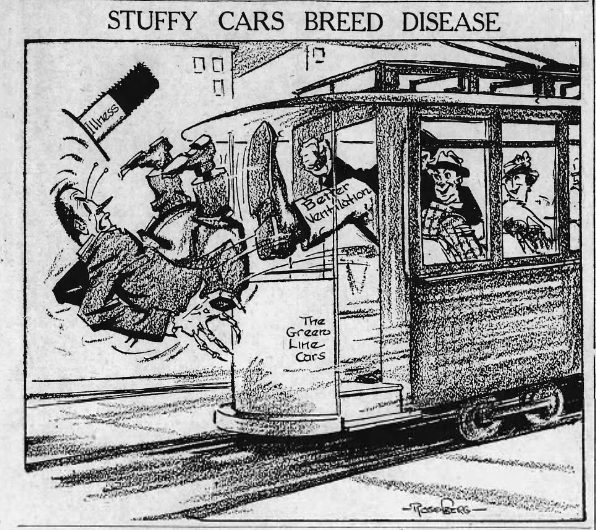
In 1918, 'epidemic influenza', also known at the time as 'the grip' (French: la grippe, grasp), appeared in Kansas, U.S., during late spring, and early reports from Spain began appearing on 21 May. Reports from both places called it 'three-day fever'.
Associative names
Many alternative names are exonyms in the practice of making new infectious diseases seem foreign. This pattern was observed even before the 1889–1890 pandemic, also known as the 'Russian flu', when the Russians already called epidemic influenza the 'Chinese catarrh', the Germans called it the 'Russian pest', and the Italians called it the 'German disease'. These epithets were re-used in the 1918 pandemic, along with new ones.
'Spanish' influenza
Outside Spain, the disease was soon misnamed 'Spanish influenza'. In a 2 June 1918 The Times of London dispatch titled, "The Spanish Epidemic," a correspondent in Madrid reported over 100,000 victims of, "The unknown disease...clearly of a gripal character," without referring to "Spanish influenza" directly. Three weeks later The Times reported that, "Everybody thinks of it as the 'Spanish' influenza to-day." Three days after that an advertisement appeared in The Times for Formamint tablets to prevent "Spanish influenza". When it reached Moscow, Pravda announced, "Ispánka (the Spanish lady) is in town," making 'the Spanish lady' another common name.
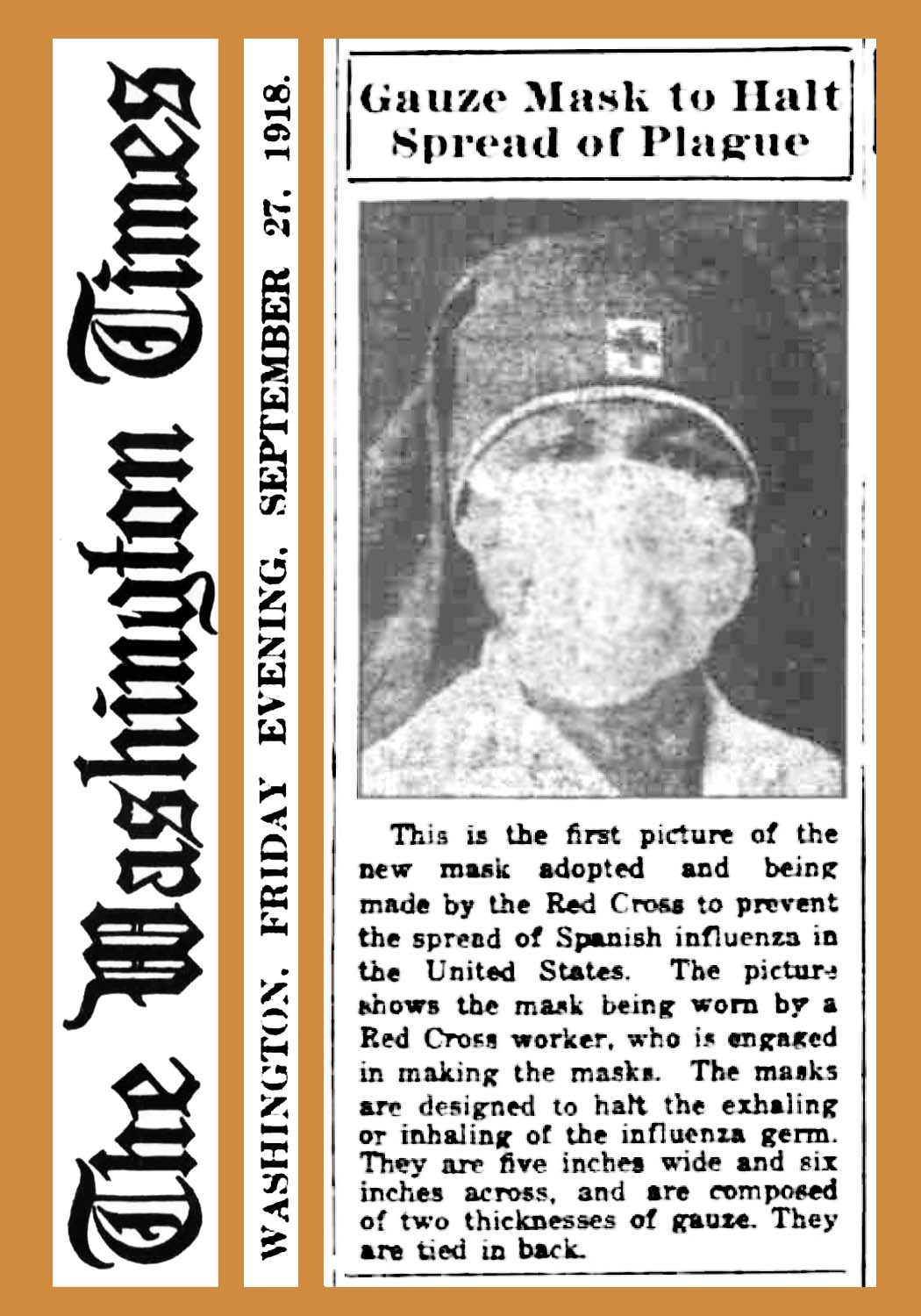
The outbreak did not originate in Spain, but reporting did, due to wartime censorship in belligerent nations. Spain was a neutral country unconcerned with appearances of combat readiness, and without a wartime propaganda machine to prop up morale, so its newspapers freely reported epidemic effects, making Spain the apparent locus of the epidemic. The censorship was so effective that Spain's health officials were unaware its neighboring countries were similarly affected. In an October 1918 "Madrid Letter" to the Journal of the American Medical Association, a Spanish official protested, "we were surprised to learn that the disease was making ravages in other countries, and that people there were calling it the 'Spanish grip'. And wherefore Spanish? ...this epidemic was not born in Spain, and this should be recorded as a historic vindication."
Other exonyms
French press initially used 'American flu', but adopted 'Spanish flu' in lieu of antagonizing an ally. In the spring of 1918, British soldiers called it 'Flanders flu', while German soldiers used 'Flandern-Fieber' (Flemish fever), both after a battlefield in Belgium where many soldiers on both sides fell ill. In Senegal it was named 'Brazilian flu', and in Brazil, 'German flu'. In Spain it was also known as the 'French flu' (gripe francesa), or the 'Naples Soldier' (Soldado de Nápoles), after a popular song from a zarzuela. Spanish flu (gripe española) is now a common name in Spain, but remains controversial there.
Othering derived from geopolitical borders and social boundaries. In Poland it was the 'Bolshevik disease', while in Russia it was referred to it as the 'Kirghiz disease'. Some Africans called it a 'white man's sickness', but in South Africa, white men also used the ethnophaulism 'kaffersiekte' (lit. 'negro disease'). Japan blamed sumo wrestlers for bringing the disease home from Taiwan, calling it 'sumo flu' (Sumo Kaze).
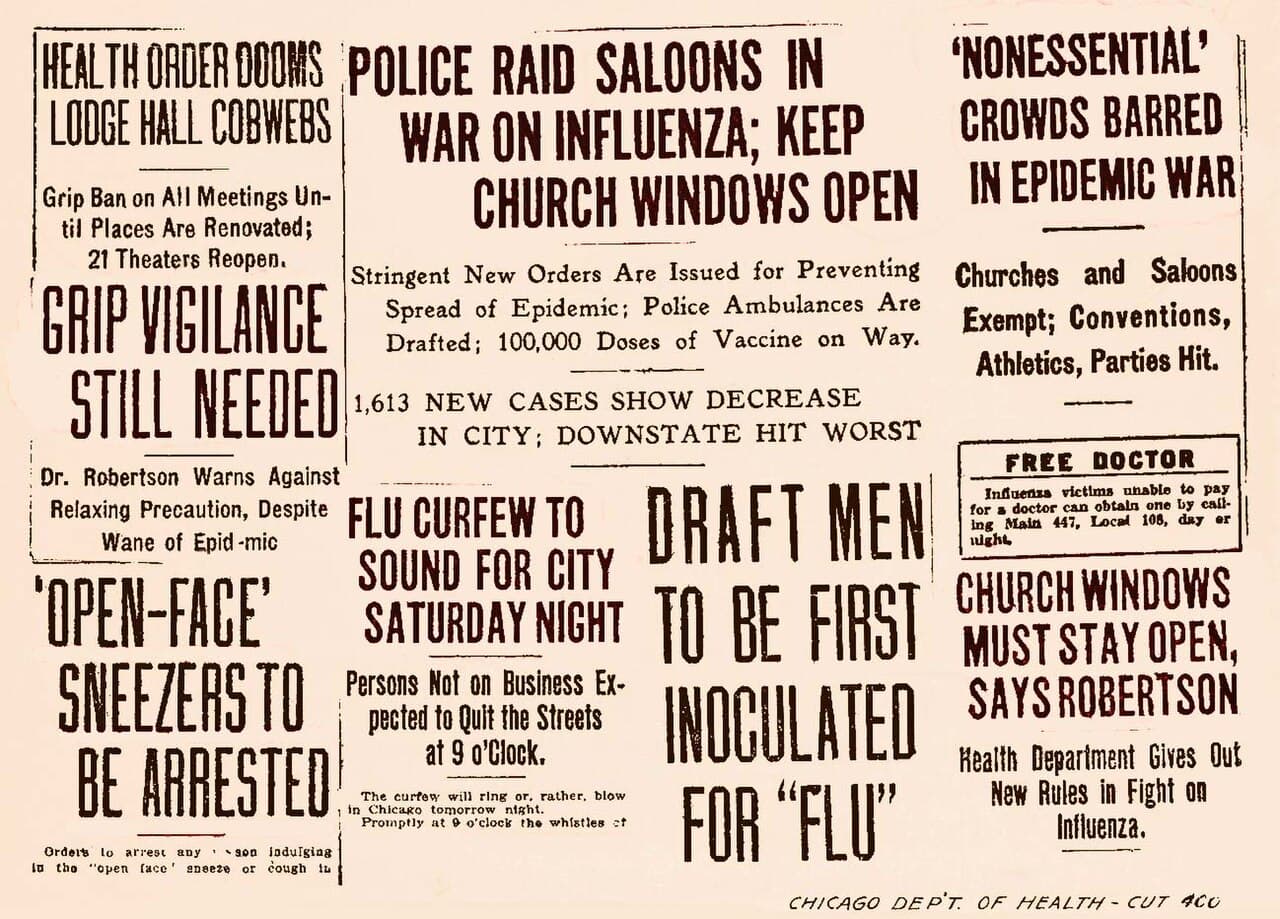
World Health Organization 'best practices' first published in 2015 now aim to prevent social stigma by not associating culturally significant names with new diseases, listing "Spanish flu" under "examples to be avoided". Many authors now eschew calling this the Spanish flu, instead using variations of '1918–19/20 flu/influenza pandemic'.
Local names
Some language endonyms did not name specific regions or groups of people. Examples specific to this pandemic include: Northern Ndebele: 'Malibuzwe' (let enquiries be made concerning it), Swahili: 'Ugonjo huo kichwa na kukohoa na kiuno' (the disease of head and coughing and spine), Yao: 'chipindupindu' (disease from seeking to make a profit in wartime), Otjiherero: 'kaapitohanga' (disease which passes through like a bullet), and Persian: nakhushi-yi bad (disease of the wind).
Other names
This outbreak was also commonly known as the 'great influenza epidemic', after the 'great war', a common name for World War I before World War II. French military doctors originally called it 'disease 11' (maladie onze). German doctors downplayed the severity by calling it 'pseudo influenza' (Greek: pseudo, false), while in Africa, doctors tried to get patients to take it more seriously by calling it 'influenza vera' (Latin: vera, true).
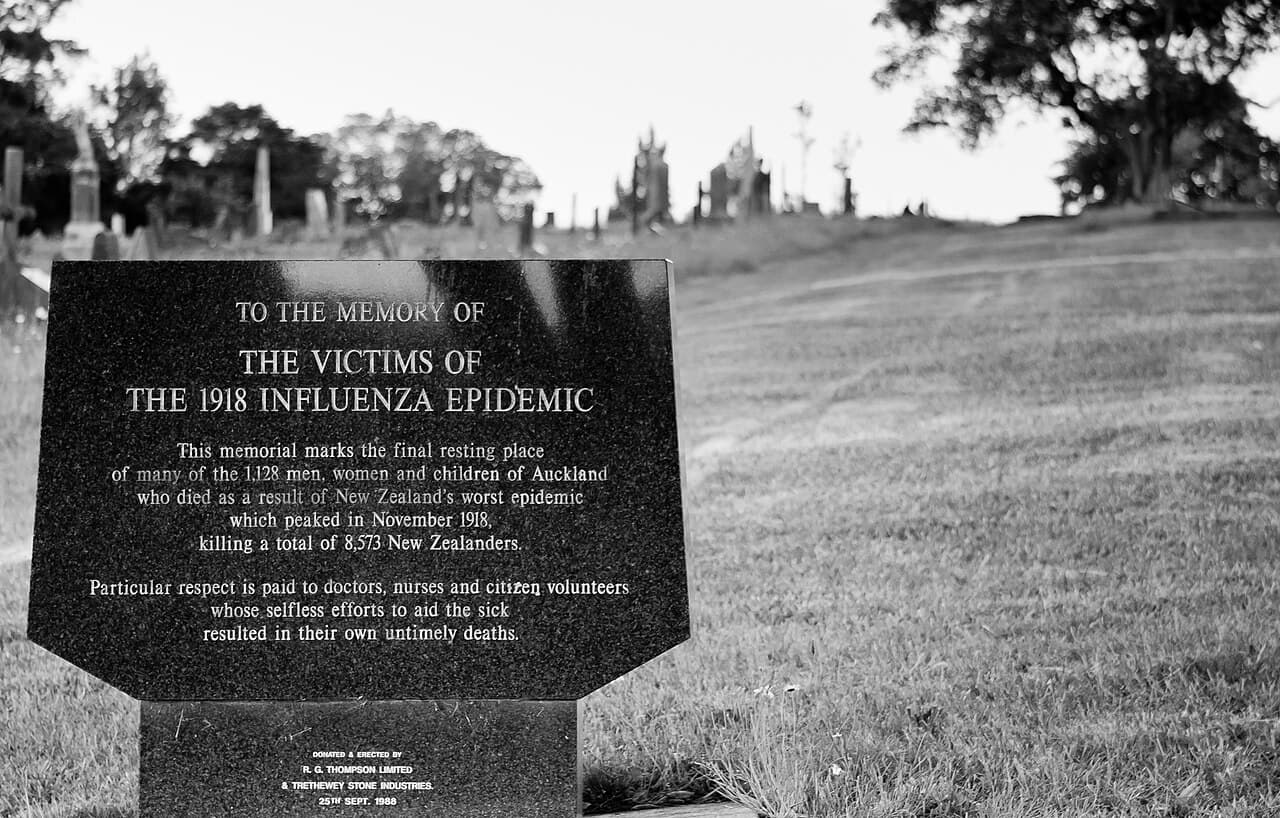
A children's song from the 1889–90 flu pandemic was shortened and adapted into a skipping-rope rhyme popular in 1918. It is a metaphor for the transmissibility of 'Influenza', where that name was clipped to 'Enza':
History
Potential origins
Despite its name, historical and epidemiological data cannot identify the geographic origin of the Spanish flu. However, several theories have been proposed.
United States
The first confirmed cases originated in the United States. Historian Alfred W. Crosby stated in 2003 that the flu originated in Kansas, and author John M. Barry described a January 1918 outbreak in Haskell County, Kansas, as the origin in his 2004 article.
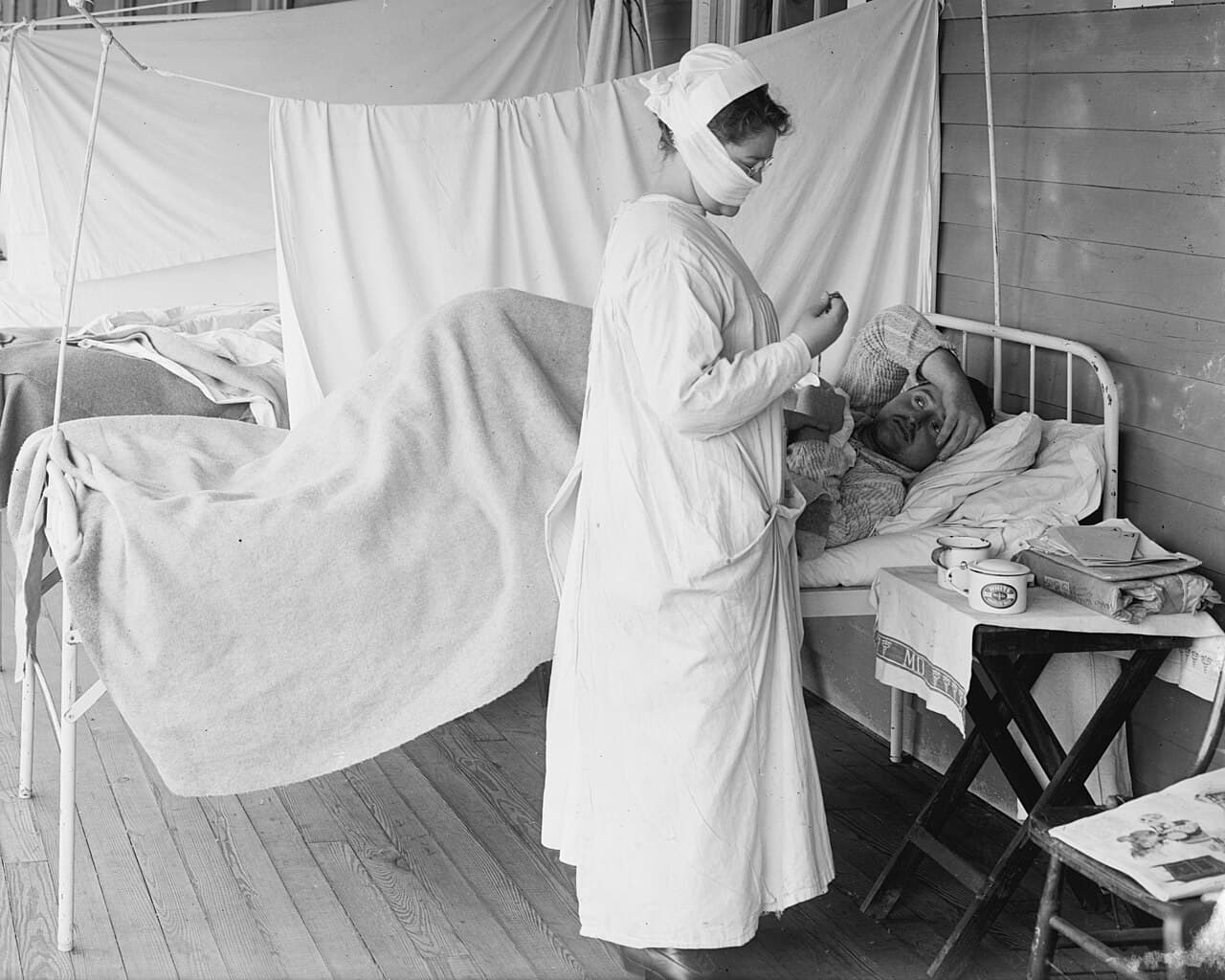
A 2018 study of tissue slides and medical reports led by professor Michael Worobey found evidence against the disease originating from Kansas, as those cases were milder and had fewer deaths compared to the infections in New York City in the same period. The study did find evidence through phylogenetic analyses that the virus likely had a North American origin, though it was not conclusive. In addition, the haemagglutinin glycoproteins of the virus suggest that it originated long before 1918, and other studies suggest that the reassortment of the H1N1 virus likely occurred in or around 1915.
Europe
The major UK troop staging and hospital camp in Étaples in France has been theorized by virologist John Oxford as being at the center of the Spanish flu. His study found that in late 1916 the Étaples camp was hit by a new disease with high mortality that caused symptoms similar to the flu. According to Oxford, a similar outbreak occurred in March 1917 at army barracks in Aldershot, and military pathologists later recognized these early outbreaks as the same disease as the Spanish flu.
The overcrowded camp and hospital at Étaples was an ideal environment for the spread of a respiratory virus. The hospital treated thousands of victims of poison gas attacks, and other casualties of war. It also was home to a piggery, and poultry was regularly brought in to feed the camp. Oxford and his team postulated that a precursor virus, harbored in birds, mutated and then migrated to pigs kept near the front.
A report published in 2016 in the Journal of the Chinese Medical Association found evidence that the 1918 virus had been circulating in the European armies for months and possibly years before the 1918 pandemic. Political scientist Andrew Price-Smith published data from the Austrian archives suggesting the influenza began in Austria in early 1917.
A 2009 study in Influenza and Other Respiratory Viruses found that Spanish flu mortality simultaneously peaked within the two-month period of October and November 1918 in all fourteen European countries analyzed, which is inconsistent with the pattern that researchers would expect if the virus had originated somewhere in Europe and then spread outwards.
China
In 1993, Claude Hannoun, the leading expert on the Spanish flu at the Pasteur Institute, asserted the precursor virus was likely to have come from China and then mutated in the United States near Boston and from there spread to Brest, France, Europe's battlefields, and the rest of the world, with Allied forces as the main disseminators. Hannoun considered several alternative hypotheses of origin, such as Spain, Kansas, and Brest, as being possible, but not likely.
In 2014, historian Mark Humphries of the Memorial University of Newfoundland argued that the mobilization of 96,000 Chinese laborers to work behind the British and French lines might have been the source of the pandemic. Humphries found archival evidence that a respiratory illness that struck northern China (where the laborers came from) in November 1917 was identified a year later by Chinese health officials as identical to the Spanish flu. No tissue samples have survived for modern comparison. Nevertheless, there were some reports of respiratory illness on the path the laborers took to get to Europe, which also passed through North America.
China was one of the few regions of the world seemingly less affected by the Spanish flu pandemic, where several studies have documented a comparatively mild flu season in 1918. (This is disputed due to lack of data during the Warlord Period.) This has led to speculation that the Spanish flu pandemic originated in China, as the lower mortality rates may be explained by the Chinese population's previously acquired immunity to the flu virus. In the Guangdong Province it was reported that early outbreaks of influenza in 1918 disproportionately impacted young men. The June outbreak infected children and adolescents between 11 and 20 years of age, while the October outbreak was most common in those aged 11 to 15.
A report published in 2016 in the Journal of the Chinese Medical Association found no evidence that the 1918 virus was imported to Europe via Chinese and Southeast Asian soldiers and workers and instead found evidence of its circulation in Europe before the pandemic. The 2016 study found that the low flu mortality rate (an estimated one in a thousand) recorded among the Chinese and Southeast Asian workers in Europe suggests that the Asian units were not different from other Allied military units in France at the end of 1918 and, thus not a likely source of a new lethal virus. Further evidence against the disease being spread by Chinese workers was that workers entered Europe through other routes that did not result in a detectable spread, making them unlikely to have been the original hosts.
Timeline
First wave of early 1918
The pandemic is conventionally marked as having begun on 4 March 1918 with the recording of the case of Albert Gitchell, an army cook at Camp Funston in Kansas despite there having been cases before him. The disease had already been observed 200 miles (320 km) away in Haskell County as early as January 1918, prompting local doctor Loring Miner to warn the editors of the U.S. Public Health Service's journal Public Health Reports. Within days of the 4 March case at Camp Funston, 522 men at the camp had reported sick. By 11 March 1918, the virus had reached Queens, New York. Failure to take preventive measures in March/April was later criticized.
As the U.S. had entered World War I, the disease quickly spread from Camp Funston, a major training ground for troops of the American Expeditionary Forces, to other U.S. Army camps and Europe, becoming an epidemic in the Midwest, East Coast, and French ports by April 1918, and reaching the Western Front by mid-April. It then quickly spread to the rest of France, Great Britain, Italy, and Spain and in May reached Wrocław and Odessa. After the signing of the Treaty of Brest-Litovsk (March 1918), Germany started releasing Russian prisoners of war, who brought the disease to their country. It reached North Africa, India, and Japan in May, and soon after had likely gone around the world as there had been recorded cases in Southeast Asia in April. In June an outbreak was reported in China. After reaching Australia in July, the wave started to recede.
The first wave lasted from the first quarter of 1918 and was relatively mild. Mortality rates were not appreciably above normal; in the United States ~75,000 flu-related deaths were reported in the first six months of 1918, compared to ~63,000 deaths during the same time period in 1915. In Madrid, Spain, fewer than 1,000 people died from influenza between May and June 1918. There were no reported quarantines; the first wave caused a significant disruption in the military operations of World War I, with three-quarters of French troops, half the British forces, and over 900,000 German soldiers sick.
Deadly second wave of late 1918
The second wave began in the second half of August 1918, probably spreading to Boston, Massachusetts and Freetown, Sierra Leone, by ships from Brest, where it had likely arrived with American troops or French recruits for naval training. From the Boston Navy Yard and Camp Devens, about 30 miles (48 km) west of Boston, other U.S. military sites were soon afflicted, as were troops being transported to Europe. Helped by troop movements, it spread over the next two months to all of North America, and then to Central and South America, also reaching Brazil and the Caribbean on ships. In July 1918, the Ottoman Empire saw its first cases, in soldiers. From Freetown, the pandemic spread through West Africa along the coast, rivers, and railways, and from railheads to more remote communities, while South Africa received it in September on ships bringing back members of the South African Native Labour Corps from France. From there it spread around southern Africa and beyond the Zambezi, reaching Ethiopia in November. On 15 September, New York City saw its first fatality from influenza. The Philadelphia Liberty Loans Parade, held in Philadelphia, Pennsylvania, on 28 September 1918 to promote government bonds for World War I, resulted in an outbreak causing 12,000 deaths.
From Europe, the second wave swept through Russia in a southwest–northeast diagonal front, as well as being brought to Arkhangelsk by the North Russia intervention, and then spread throughout Asia following the Russian Civil War and the Trans-Siberian railway, reaching Iran (where it spread through Mashhad), and then India in September and China and Japan in October. The celebrations of the Armistice of 11 November 1918 also caused outbreaks in Lima and Nairobi, but by December the wave was mostly over.
The second wave of the 1918 pandemic was much more deadly than the first. The first wave had resembled typical flu epidemics; those most at risk were the sick and elderly, while younger, healthier people recovered easily. October 1918 was the month with the highest fatality rate of the whole pandemic. In the United States, ~292,000 deaths were reported between September–December 1918, compared to ~26,000 during the same time period in 1915. The Netherlands reported over 40,000 deaths from influenza and acute respiratory disease. Bombay reported ~15,000 deaths in a population of 1.1 million. The 1918 flu pandemic in India was especially deadly, as Historian David Arnold estimates at least 12 million dead, about 5% of the population.
Third wave of 1919
Pandemic activity persisted into 1919 in many places, possibly attributable to climate, specifically in the Northern Hemisphere, where it was winter and thus the usual time for influenza activity. The pandemic nonetheless continued into 1919 largely independent of region and climate.
Cases began to rise again in some parts of the U.S. as early as late November 1918, with the Public Health Service issuing its first report of a "recrudescence of the disease" in "widely scattered localities" in early December. This resurgent activity varied across the country, however, possibly on account of differing restrictions. Michigan, for example, experienced a swift resurgence of influenza that reached its peak in December, possibly as a result of the lifting of the ban on public gatherings. Pandemic interventions, such as bans on public gatherings and the closing of schools, were reimposed in many places in an attempt to suppress the spread.
There was "a very sudden and very marked rise in general death rate" in most cities in January 1919; nearly all experienced "some degree of recrudescence" of the flu in January and February. Significant outbreaks occurred in cities including Los Angeles, New York City, Memphis, Nashville, San Francisco, and St. Louis. By 21 February, with some local variation, influenza activity was reported to have been declining since mid-January in all parts of the country. Following this "first great epidemic period" that had commenced in October 1918, deaths from pneumonia and influenza were "somewhat below average" in large U.S. cities between May 1919 and January 1920. Nonetheless, nearly 160,000 deaths were attributed to these causes in the first six months of 1919.
It was not until later in the winter and into the spring that a clearer resurgence appeared in Europe. A significant third wave had developed in England and Wales by mid-February, peaking in early March, though it did not fully subside until May. France also experienced a significant wave that peaked in February, alongside the Netherlands. Norway, Finland, and Switzerland saw recrudescences of pandemic activity in March, and Sweden in April.
Much of Spain was affected by "a substantial recrudescent wave" of influenza between January and April 1919. Portugal experienced a resurgence in pandemic activity that lasted from March to September 1919, with the greatest impact being felt on the west coast and in the north of the country; all districts were affected between April and May specifically.
Influenza entered Australia for the first time in January 1919 after a strict maritime quarantine had shielded the country through 1918. It assumed epidemic proportions first in Melbourne, peaking in mid-February. The flu soon appeared in neighboring New South Wales and South Australia. New South Wales experienced its first wave of infection between mid-March and late May, while a second, more severe wave occurred in Victoria between April and June. Land quarantine measures hindered the spread of the disease. Queensland was not infected until late April; Western Australia avoided the disease until early June, and Tasmania remained free from it until mid-August. Out of the six states, Victoria and New South Wales experienced generally more extensive epidemics. Each experienced another significant wave of illness over the winter. The second epidemic in New South Wales was more severe than the first, while Victoria saw a third wave that was somewhat less extensive than its second, more akin to its first.
The disease also reached other parts of the world for the first time in 1919, such as Madagascar, which saw its first cases in April; the outbreak had spread to practically all sections of the island by June. In other parts, influenza recurred in the form of a true "third wave". Hong Kong experienced another outbreak in June, as did South Africa during its fall and winter months in the Southern Hemisphere. New Zealand experienced some cases in May.
Parts of South America experienced a resurgence of pandemic activity throughout 1919. A third wave hit Brazil between January and June. Between July 1919 and February 1920, Chile, which had been affected for the first time in October 1918, experienced a severe second wave, with mortality peaking in August 1919. Montevideo similarly experienced a second outbreak between July and September.
The third wave particularly affected Spain, Serbia, Mexico and Great Britain, resulting in hundreds of thousands of deaths.
Fourth wave of 1920
In the Northern Hemisphere, fears of a "recurrence" of the flu grew as fall approached. Experts cited past flu epidemics, such as that of 1889–1890, to predict that such a recurrence a year later was not unlikely, though not all agreed. In September 1919, U.S. Surgeon General Rupert Blue said a return of the flu later in the year would "probably, but by no means certainly," occur. France had readied a public information campaign before the end of the summer, and Britain began preparations in the autumn with the manufacture of vaccine.