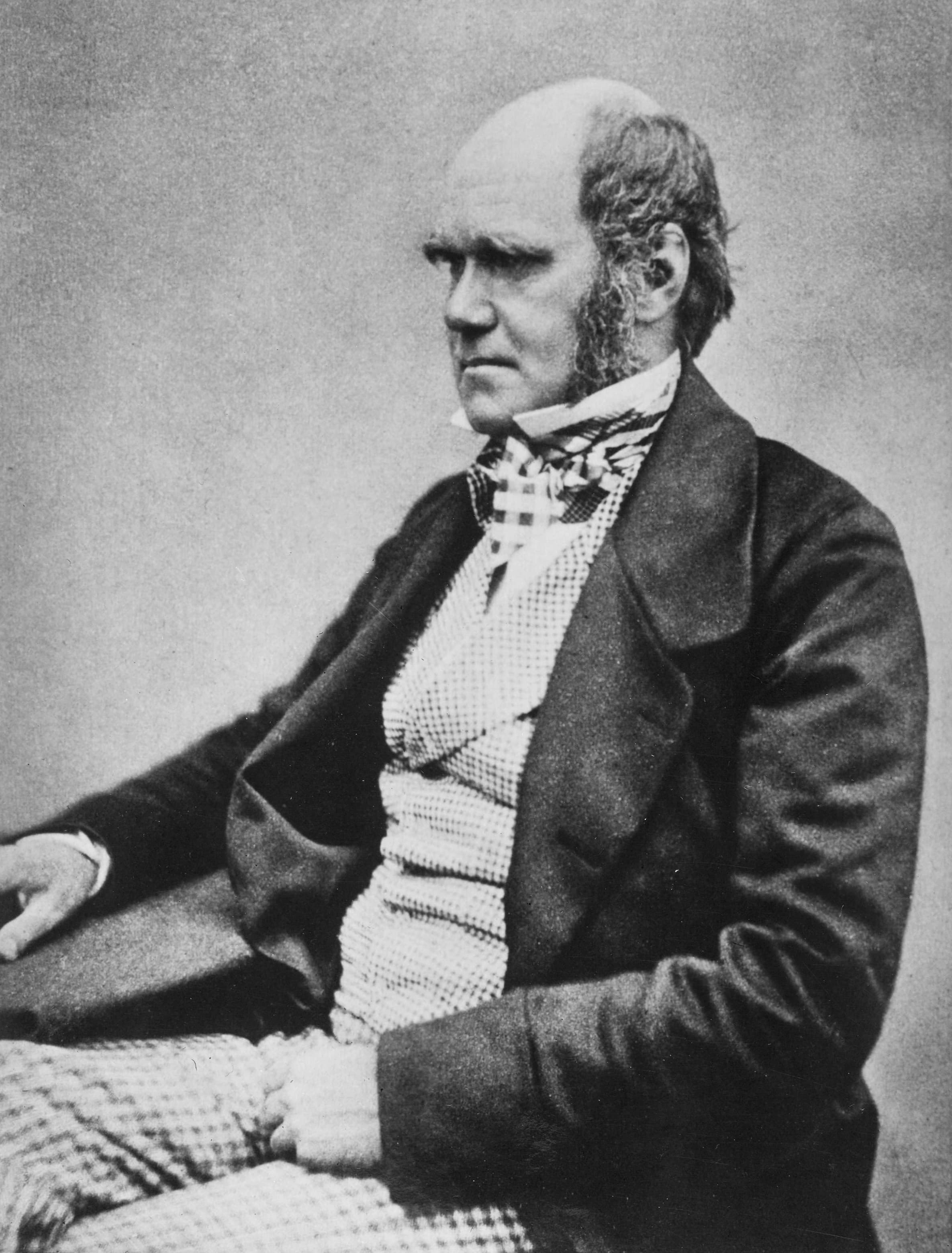
On the morning of November 24, 1859, a modest-looking book appeared in London bookshops and sold out its entire first print run of 1,250 copies within a single day. 'On the Origin of Species by Means of Natural Selection' was not merely a scientific text — it was a detonation. Its author, Charles Robert Darwin, had spent more than two decades quietly assembling the evidence for an idea so powerful, so disruptive, and so elegantly simple that it would permanently alter humanity's understanding of life on Earth.
A Privileged but Uncertain Beginning
Charles Darwin was born on February 12, 1809, in Shrewsbury, England, into a family of considerable intellectual distinction. His grandfather, Erasmus Darwin, had already speculated about the mutability of species in his own writings. His father, Robert Darwin, was a wealthy physician who harbored serious doubts about his son's ambitions. Young Charles showed little early promise in conventional terms — he was, by his own admission, an indifferent student, far more interested in collecting beetles and observing nature than in Latin or Greek. Sent first to Edinburgh to study medicine, he recoiled at the brutality of surgery in the pre-anesthesia age. His father, exasperated, then dispatched him to Cambridge to study theology, hoping the Church of England might provide a respectable career for his dreamy son.
Cambridge proved transformative, though not in the way his father intended. There, Darwin came under the influence of botanist John Stevens Henslow, who recognized in the young man an extraordinary capacity for patient observation and rigorous thinking. It was Henslow who recommended Darwin for the position that would define his life: the unpaid naturalist aboard HMS Beagle, bound on a surveying voyage around the world.
The Voyage That Changed Everything
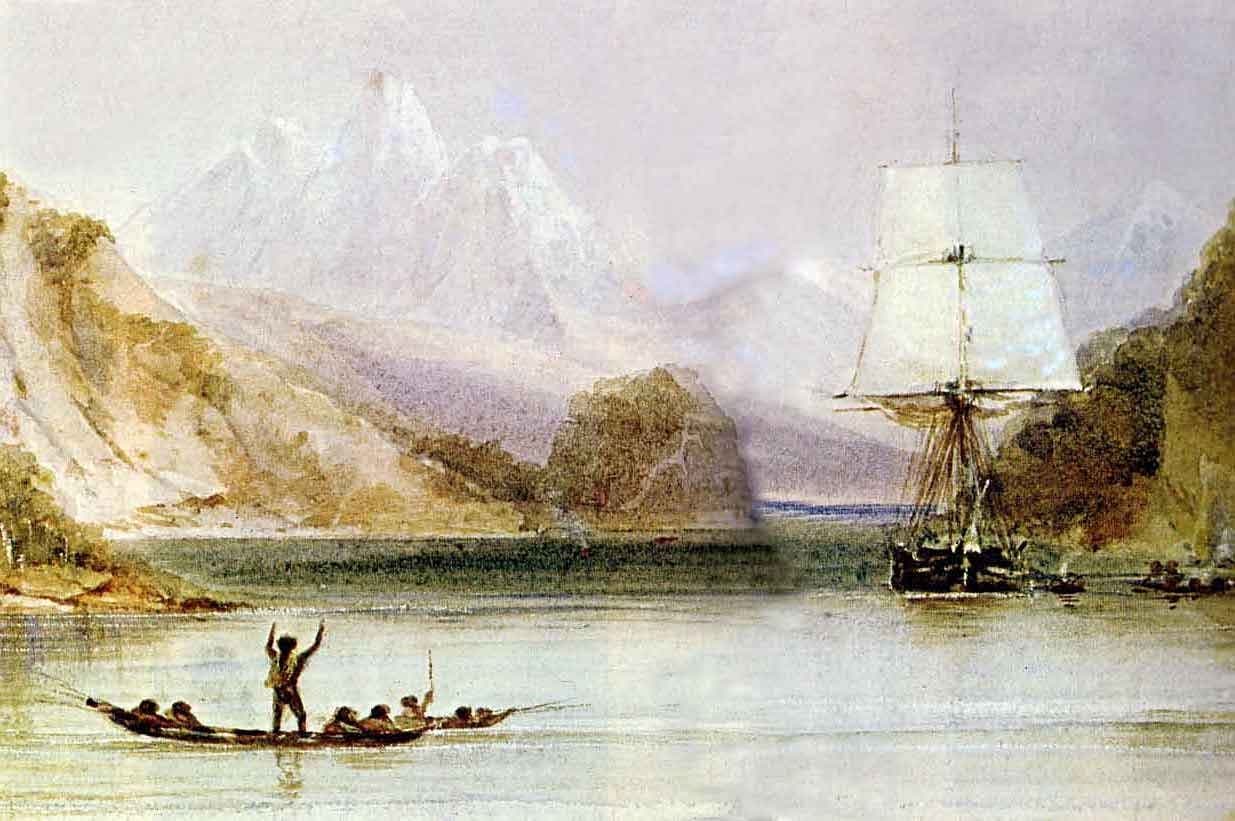
The Beagle departed Plymouth on December 27, 1831, with Darwin aboard as a 22-year-old gentleman companion to Captain Robert FitzRoy. What was planned as a two-year journey stretched to five. Darwin was frequently seasick, often miserable aboard ship, but ashore he was transformed. In Brazil, he marveled at the staggering abundance of the rainforest. In Patagonia, he unearthed fossilized bones of giant extinct mammals — megatherium and glyptodon — lying in strata alongside shells of still-living mollusks. The implication was staggering: creatures could go extinct, and the world was far older than the biblical account suggested.
The Galapagos Islands, visited in 1835, provided the most famous chapter of the voyage. Darwin collected specimens of mockingbirds, tortoises, and the small finches that would later bear his name. Crucially, he noticed — though he did not fully grasp the significance until later — that the creatures on different islands were subtly but distinctly different from one another. A Galapagos vice-governor casually mentioned he could tell which island a tortoise came from by the shape of its shell. That observation planted a seed that would take years to germinate.
Years of Quiet Revolution
Darwin returned to England in October 1836 a changed man, but the theory of natural selection did not arrive in a flash of inspiration. It emerged slowly, through years of painstaking work and agonizing reflection. In 1838, reading Thomas Malthus's essay on population — which argued that organisms always produce more offspring than resources can support — Darwin found his mechanism. Competition for survival, he realized, meant that individuals with advantageous traits would live to reproduce more successfully than those without. Over vast stretches of time, this process would produce entirely new species. He called the mechanism natural selection.
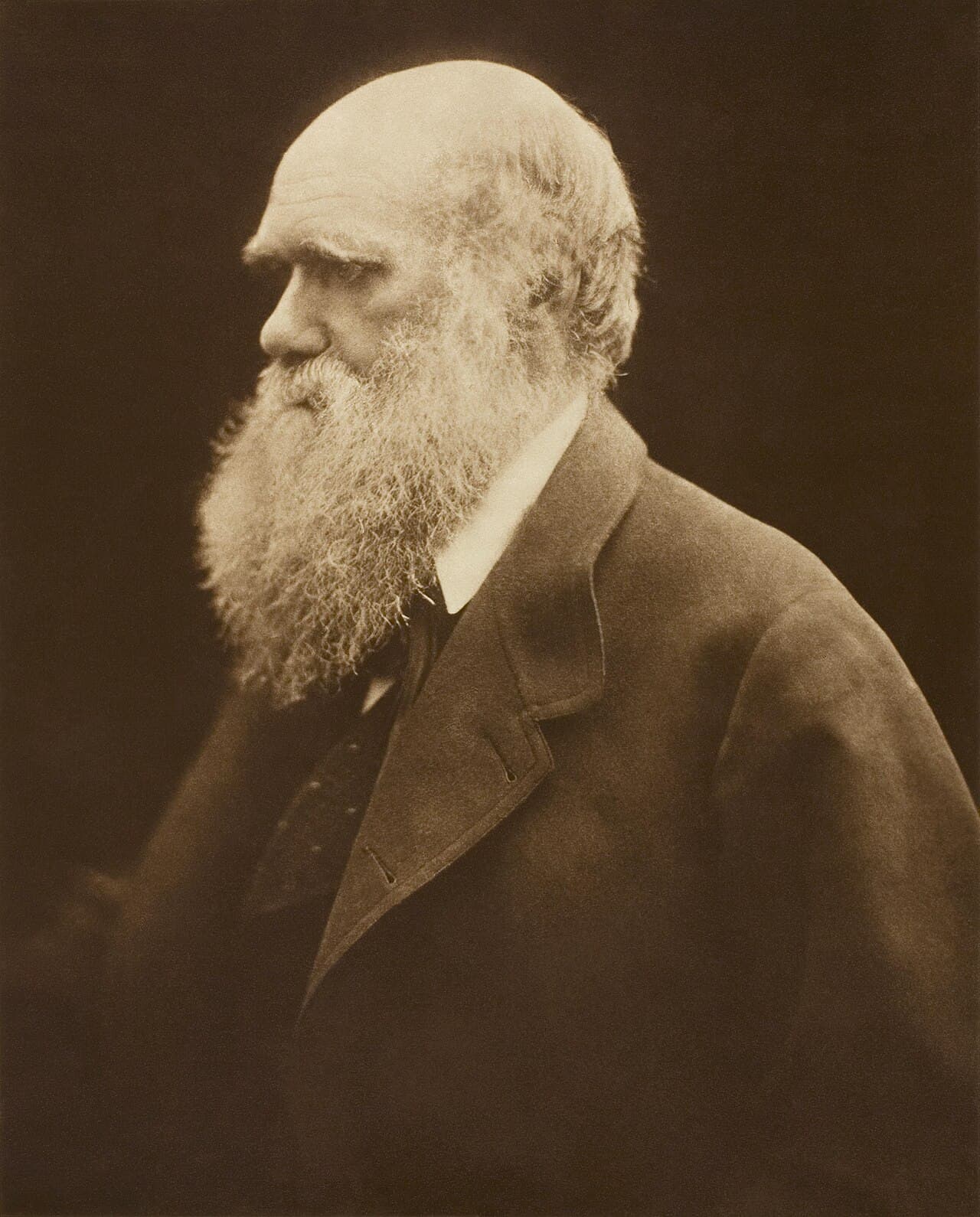
Darwin knew the theory was explosive. He was a deeply sensitive man, aware that his ideas directly contradicted the biblical account of creation and would wound many people he respected, including his devoutly religious wife, Emma Wedgwood, whom he had married in 1839. For twenty years he gathered evidence — studying barnacles obsessively for eight years, corresponding with naturalists around the world, breeding pigeons — while confiding his theory only to a small circle of trusted friends. 'It is like confessing a murder,' he wrote to his botanist friend Joseph Hooker in 1844.
The Reluctant Revolutionary
What finally forced Darwin's hand was a letter that arrived in June 1858 from Alfred Russel Wallace, a young naturalist working in the Malay Archipelago. Wallace had independently arrived at virtually the same theory of natural selection and was asking Darwin to review his paper. Darwin was devastated. After two decades of preparation, he risked being scooped. A gentlemanly solution was arranged: papers by both Darwin and Wallace were read jointly at the Linnean Society of London on July 1, 1858. Darwin then worked furiously to produce 'On the Origin of Species,' publishing it the following year.
The public and scientific reaction was volcanic. The Church condemned the work. Satirical cartoonists depicted Darwin as a half-ape. But the book also found fierce defenders, most notably the biologist Thomas Henry Huxley, who famously dubbed himself 'Darwin's Bulldog.' At the legendary Oxford debate of June 1860, Huxley clashed with Bishop Samuel Wilberforce, who sarcastically asked whether Huxley was descended from an ape on his grandmother's or grandfather's side. Huxley reportedly replied that he would rather be descended from an ape than from a man who used his intelligence to obscure the truth.
Later Life and Enduring Legacy
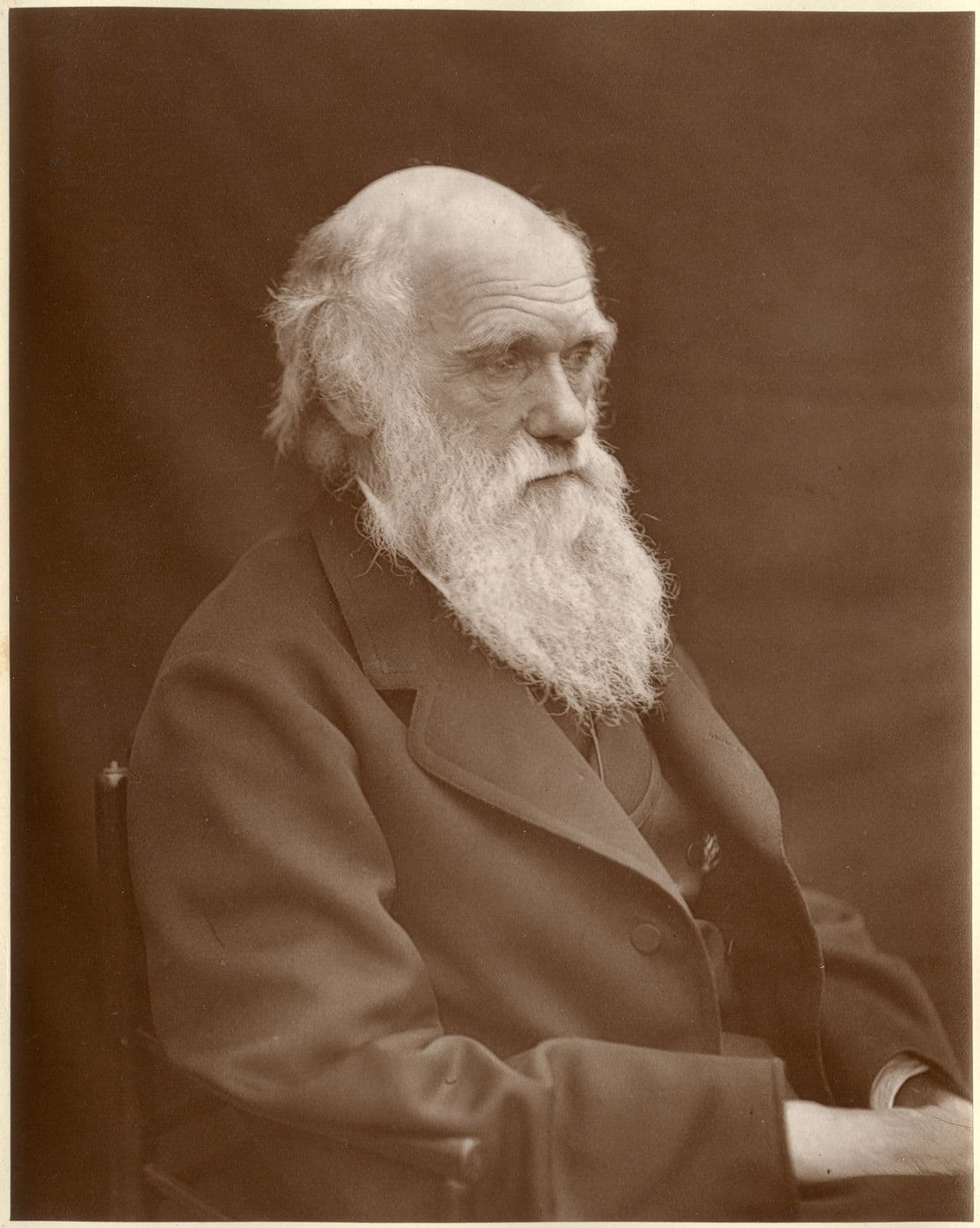
Darwin spent his remaining years at his beloved home, Down House in Kent, continuing to write and research despite chronic ill health that plagued him for much of his adult life. He published 'The Descent of Man' in 1871, explicitly applying evolutionary theory to human origins, and 'The Expression of the Emotions in Man and Animals' in 1872. He never ceased working. He died on April 19, 1882, at the age of 73, and was buried — fittingly for a man who had caused so much controversy — in Westminster Abbey, near the grave of Isaac Newton.
Darwin's theory of evolution by natural selection has not merely survived the 165 years since its publication; it has been spectacularly confirmed and extended by subsequent science. Genetics, molecular biology, paleontology, and genomics have all converged to validate what Darwin proposed from fieldwork alone. The discovery of DNA's structure in 1953 provided the precise mechanism of inheritance Darwin had never known. Today, evolutionary biology underpins modern medicine, agriculture, ecology, and our understanding of the entire living world. Few ideas in the history of human thought have proven so durable, so productive, and so profoundly true.
Key Works at a Glance
| Year | Work | Significance |
|---|---|---|
| 1839 | The Voyage of the Beagle | Darwin's journal of his five-year circumnavigation; introduced him to the public |
| 1859 | On the Origin of Species | First comprehensive argument for evolution by natural selection |
| 1871 | The Descent of Man | Applied evolutionary theory explicitly to human origins and sexual selection |
| 1872 | The Expression of the Emotions in Man and Animals | Pioneering work on the evolutionary basis of emotion and behavior |
| 1881 | The Formation of Vegetable Mould through the Action of Worms | His final book; demonstrated the ecological importance of earthworms |