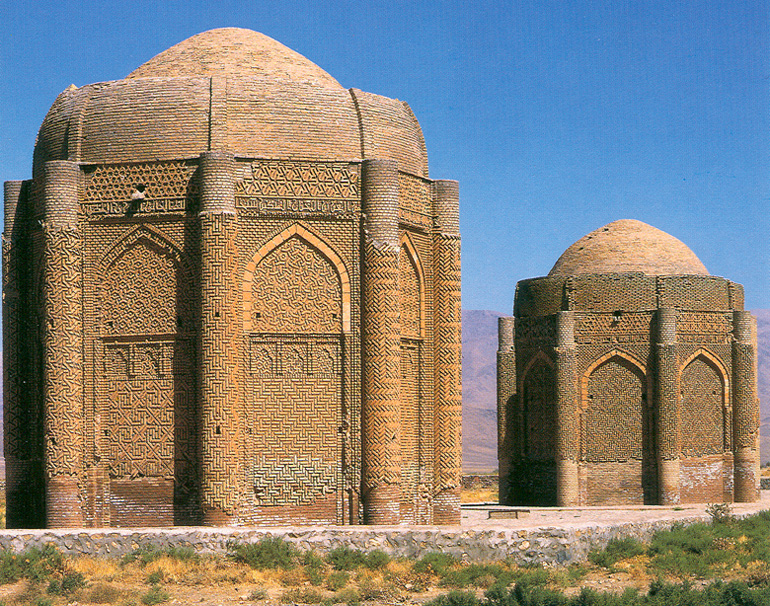
The Seljuk dynasty, or Seljukids ( SEL-juuk; Old Anatolian Turkish: سلجك Sälcük; Azerbaijani: Səlcuqlular or Səlcuqilər; Turkmen: Seljuklar; Ottoman Turkish: سلچوق Selçuk; Turkish: Selçuklular; Persian: سلجوقیان Saljuqian,) alternatively spelled as Saljuqids or Seljuk Turks, was an Oghuz Turkic, Sunni Muslim dynasty that culturally became Persianate and contributed to Turco-Persian culture.
The founder of the Seljuk dynasty, Seljuk Beg, was a descendant of a royal Khazar chief Tuqaq who served as advisor to the King of the Khazars, in West Asia and Central Asia. The Seljuks established the Seljuk Empire (1037–1194), the Sultanate of Kermân (1041–1186) and the Sultanate of Rum (1074–1308), which stretched from Iran to Anatolia and were the prime targets of the First Crusade.
Early history
The Seljuks originated from the Kinik branch of the Oghuz Turks, who in the 8th century lived on the periphery of the Muslim world; north of the Caspian Sea and Aral Sea in their Oghuz Yabgu State in the Kazakh Steppe of Turkestan. During the 10th century, Oghuz had come into close contact with Muslim cities. When Seljuk, the leader of the Seljuk clan, had a falling out with Yabghu, the supreme chieftain of the Oghuz, he split his clan from the bulk of the Oghuz Turks and set up camp on the west bank of the lower Syr Darya. Around 985, Seljuk converted to Islam.
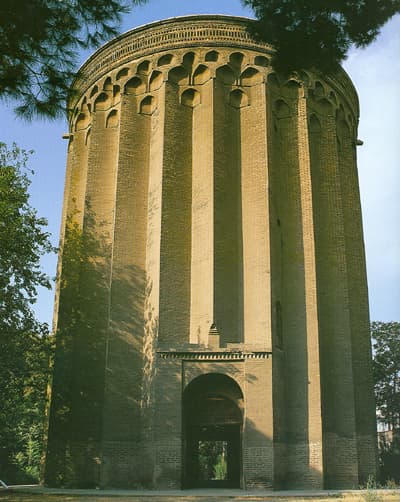
In the 11th century, the Seljuks migrated from their ancestral homelands into mainland Persia, in the province of Khurasan, where they encountered the Ghaznavids. The Seljuks defeated the Ghaznavids at the Battle of Nasa in 1035. Seljuk's grandsons, Tughril and Chaghri, received the insignias of governor, grants of land, and were given the title of dehqan. At the Battle of Dandanaqan, they defeated a Ghaznavid army, and after a successful siege of Isfahan by Tughril in 1050/51, established the Great Seljuk Empire. The Seljuks mixed with the local population and adopted the Persian culture and Persian language in the following decades.