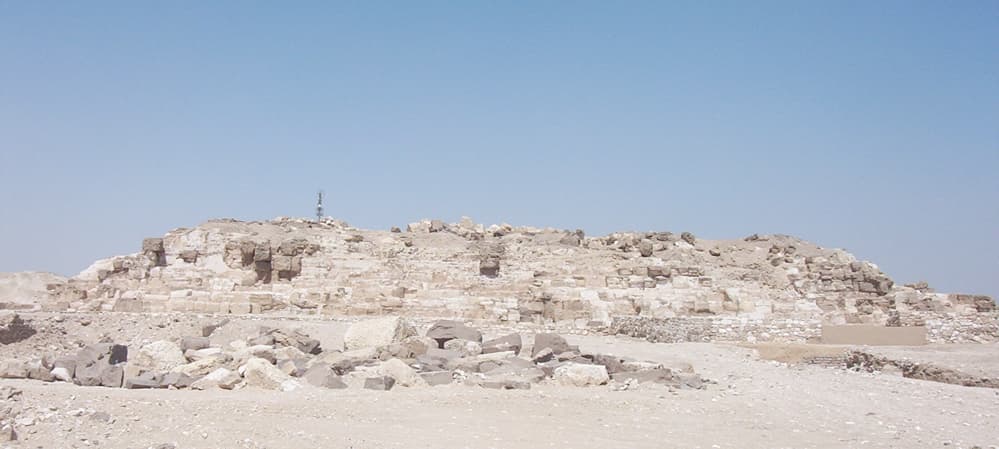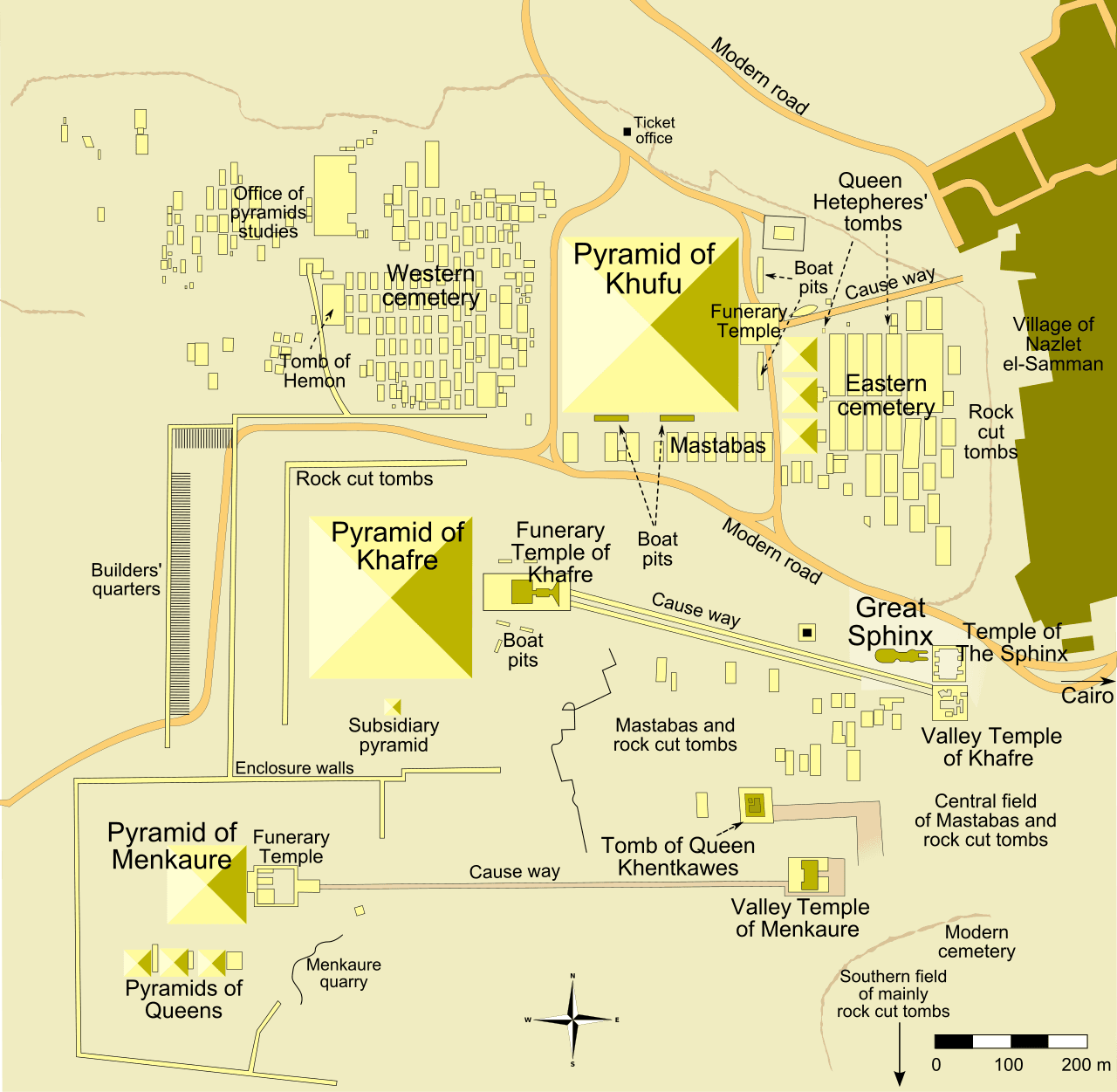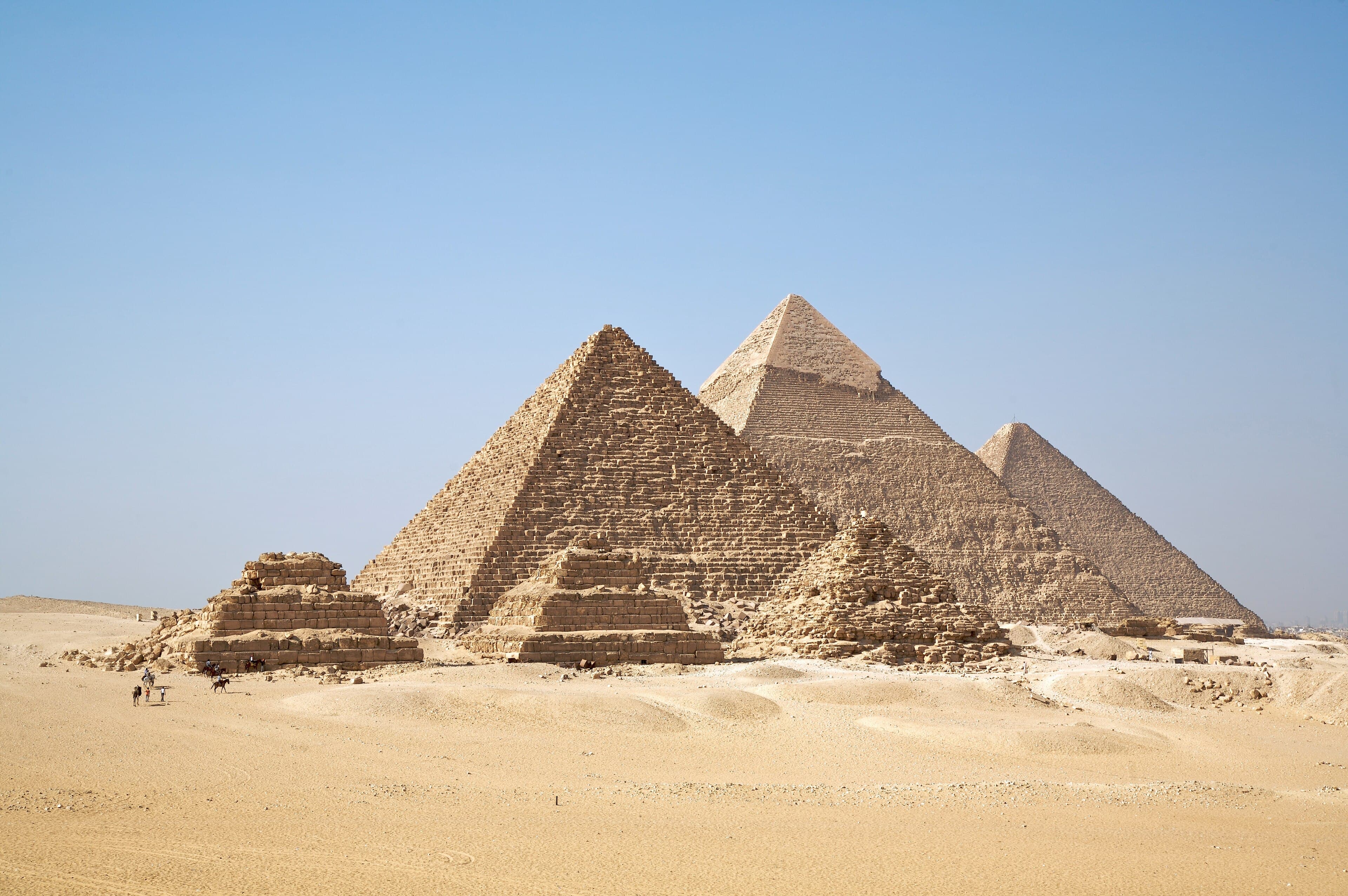
The Egyptian pyramids are monumental tombs built by the ancient Egyptians primarily during the Old Kingdom period (c. 2686–2181 BC) to house the remains and eternal souls of their pharaohs. Approximately 138 pyramids have been identified across Egypt, the most famous being the Great Pyramid of Giza, constructed for Pharaoh Khufu around 2560 BC and standing 146.6 metres tall — the tallest man-made structure on Earth for nearly 3,800 years. Far from being built by slaves, modern archaeology confirms they were erected by a paid, organised workforce of skilled Egyptian labourers.
What Are the Egyptian Pyramids and How Many Exist?
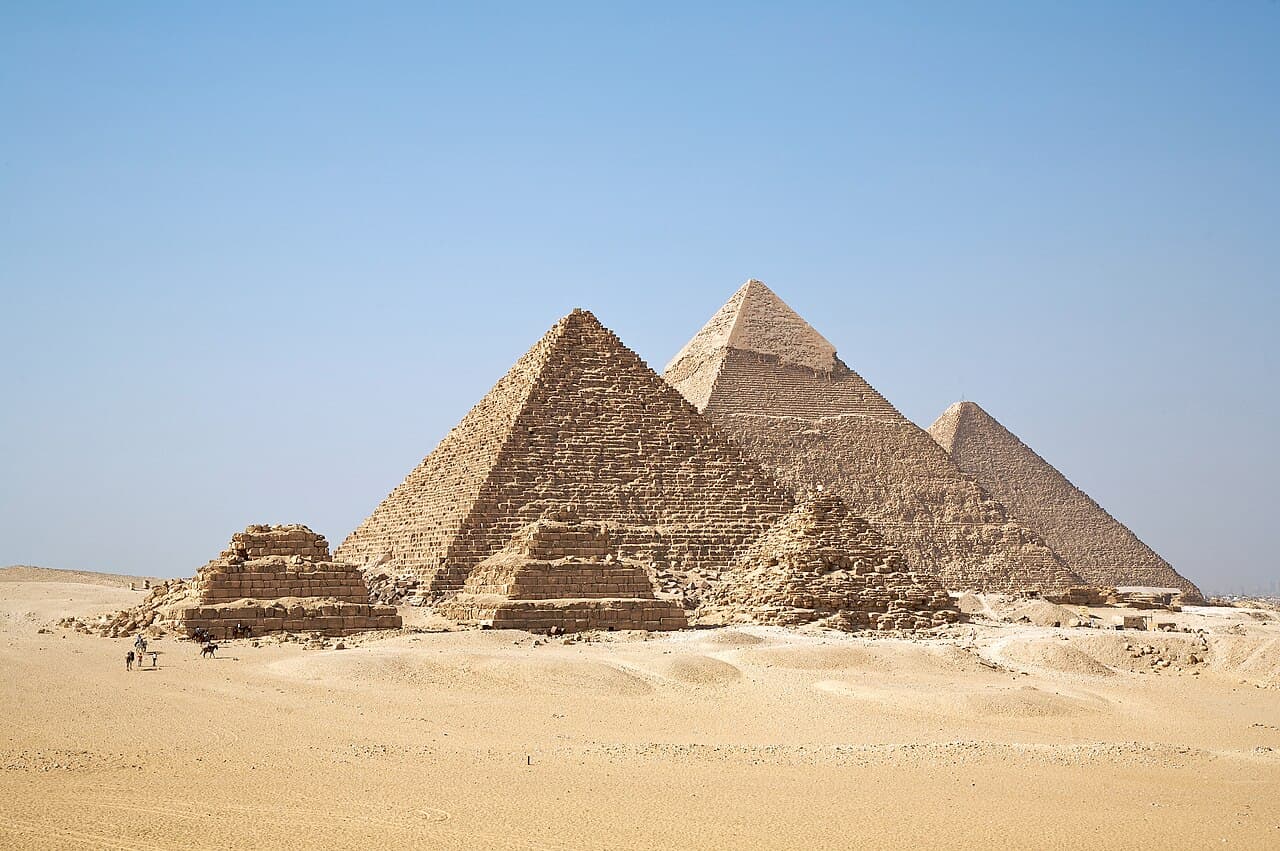
Egypt is home to approximately 138 known pyramids, though new discoveries continue to refine this number. They were built over a period spanning roughly 2,700 years, from around 2650 BC to at least 700 BC when Nubian kings of the 25th Dynasty constructed their own smaller pyramids in modern-day Sudan. The structures range enormously in size, quality, and design — from the earliest stepped mastaba-style forms to the smooth-sided true pyramids of the 4th Dynasty. The Giza pyramid complex, built on the west bank of the Nile near modern Cairo, contains three major pyramids: those of Khufu (Cheops), Khafre, and Menkaure, along with the Great Sphinx and several smaller satellite pyramids. Collectively, the Giza monuments are the only surviving wonder of the ancient Seven Wonders of the World.
Who Built the First Egyptian Pyramid and When?
The first pyramid ever built in Egypt was the Step Pyramid of Djoser, constructed around 2650 BC at Saqqara during the Third Dynasty. Designed by the royal architect Imhotep — later deified for his genius — it began as a traditional flat-topped mastaba tomb but was expanded in six stages to reach a height of 62 metres across six stacked tiers. Imhotep's innovation of stacking progressively smaller mastabas atop one another created the world's first large-scale stone structure. Djoser's pyramid complex covered 15.5 hectares and included temples, courtyards, and shrines designed for the king's eternal afterlife rituals. This breakthrough set the template for the century of pyramid building that followed, culminating in the architectural masterpieces of the 4th Dynasty under pharaohs Sneferu, Khufu, Khafre, and Menkaure.
How Were the Egyptian Pyramids Built?
The construction of the pyramids remains one of history's greatest engineering achievements, accomplished without modern machinery or iron tools. For the Great Pyramid alone, approximately 2.3 million stone blocks were used, each weighing an average of 2.5 to 15 tonnes, with some granite beams in the burial chamber exceeding 80 tonnes. Limestone was quarried locally on the Giza plateau, while fine white Tura limestone for the outer casing was ferried across the Nile, and pink granite came from Aswan, over 800 kilometres to the south. Archaeologist Mark Lehner's excavations in the 1990s at Giza uncovered a workers' village capable of housing up to 20,000 labourers, complete with bakeries, breweries, and medical facilities. Workers were organised into named gangs — inscriptions found in pyramid relieving chambers bear group names like 'Friends of Khufu.' The most widely accepted construction theory involves large earthen or mudbrick ramps used to drag stone blocks on wooden sledges lubricated with water. A 2017 discovery at the ancient quarry of Hatnub revealed a ramp system with staircases and post holes, suggesting workers used ropes and a pulley-like mechanism to haul blocks up steep inclines. The entire Great Pyramid is estimated to have taken approximately 20 years to complete, requiring perhaps 10,000 to 20,000 workers at its peak — a remarkable feat of organised state labour.
Why Did the Ancient Egyptians Build Pyramids?
The pyramids were fundamentally religious structures, built to ensure the pharaoh's successful transition to the afterlife and eternal divine existence. In ancient Egyptian belief, the pharaoh was the earthly embodiment of the god Horus and, upon death, became identified with Osiris, god of the dead. The pyramid's shape itself carried deep cosmological symbolism: the sloping sides may represent the rays of the sun descending to earth, a concept reinforced by the ancient Egyptian name for a pyramid, 'mer,' and the pyramidion capstone, which was often gilded to reflect the sun. The pyramid served as both a protective tomb for the pharaoh's mummified body and a resurrection machine — the texts inscribed on the walls of later 5th and 6th Dynasty pyramids (the Pyramid Texts, dating from around 2400 BC) are the oldest known religious texts in the world and describe in elaborate detail the spells and rituals needed to ensure the king's ascent to the heavens. The pyramid complex also functioned as an administrative and economic centre: valley temples received offerings, priests maintained daily rituals, and entire villages of workers and priests were sustained by the state specifically to serve the pyramid cult long after the pharaoh's burial.
What Is Inside the Great Pyramid of Giza?
The interior of the Great Pyramid of Khufu is a marvel of precision engineering, containing three main chambers connected by a series of passages. The lowest chamber, carved into the bedrock beneath the pyramid, appears to have been abandoned unfinished. The Queen's Chamber, misleadingly named by Arab explorers, sits at the juncture of the ascending and horizontal passages and may have served as a serdab (statue chamber) for the king's ka spirit. The Grand Gallery — a soaring corbelled passage 47 metres long and 8.5 metres high — leads to the King's Chamber, a granite-lined room housing a lidless red granite sarcophagus. Above the King's Chamber are five stress-relieving chambers, the highest of which, Davison's Chamber (explored in 1765), contains quarry marks naming Khufu's work gangs. In 2017, a team using cosmic-ray muon scanning (ScanPyramids project) detected a large previously unknown void above the Grand Gallery, at least 30 metres long — the first major internal structure discovered in the Great Pyramid since the 19th century. The original entrance on the north face, 17 metres above ground level, was sealed after burial; the opening tourists use today was forced by Caliph al-Ma'mun's workers around 820 AD.
How Were the Pyramids Aligned So Precisely?
One of the most astonishing features of the Egyptian pyramids is their extraordinary astronomical and geographical precision. The Great Pyramid's four sides are aligned to the cardinal points (north, south, east, west) with an accuracy of less than 0.05 degrees of error — an achievement only recently matched by modern instruments. Egyptologist Kate Spence proposed in 2000 that builders used the simultaneous transit of two circumpolar stars — Kochab and Mizar — to establish true north, a method that would have been accurate to within a fraction of a degree around 2480 BC. The three main Giza pyramids are also positioned so that their south-western corners align diagonally, possibly reflecting a deliberate design to mirror the three stars of Orion's Belt, though this 'Orion Correlation Theory' (proposed by Robert Bauval in 1983) remains debated among Egyptologists. The Giza plateau was levelled to within 2.1 centimetres across its entire 53,000-square-metre base — a surveying achievement requiring sophisticated tools and meticulous planning. The precise east-west alignment of the Great Pyramid coincides with the spring and autumn equinoxes, when the sun rises and sets exactly along the pyramid's east face.
Why Did Pyramid Building Decline After the Old Kingdom?
The age of the great pyramids effectively ended with the close of the Old Kingdom around 2181 BC, and the decline had multiple interlocking causes. The enormous economic strain of pyramid construction — mobilising tens of thousands of workers, procuring millions of tonnes of stone, and maintaining extensive temple staffs — placed unsustainable demands on the centralised state. As powerful regional governors (nomarchs) accumulated land grants and tax exemptions from the pharaoh, central royal authority weakened catastrophically. Environmental factors compounded the crisis: palaeoclimatic evidence suggests a prolonged drought beginning around 2200 BC reduced Nile flood levels, causing crop failures and famine across Egypt. Pyramid texts from the First Intermediate Period (c. 2181–2055 BC) speak of social breakdown and desecration of royal tombs. When pharaonic power was eventually restored under the Middle Kingdom, rulers like Amenemhat I and Senusret III continued building pyramids, but they were smaller, less technically refined, and often constructed of mudbrick rather than solid limestone — reflecting both diminished resources and a theological shift that placed less emphasis on the pyramid as the sole vehicle of royal resurrection.
| Pyramid | Pharaoh | Dynasty | Height (Original) | Year Built (approx.) | Location |
|---|---|---|---|---|---|
| Step Pyramid | Djoser | 3rd | 62 m | c. 2650 BC | Saqqara |
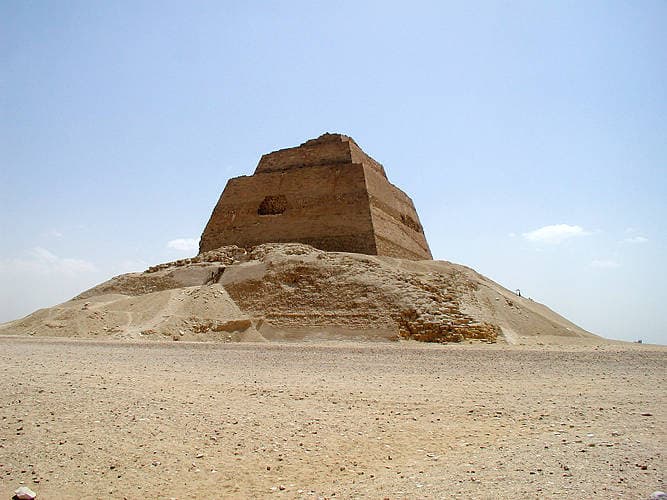
| Bent Pyramid | Sneferu | 4th | 105 m | c. 2600 BC | Dahshur |
| Red Pyramid | Sneferu | 4th | 104 m | c. 2590 BC | Dahshur |
| Great Pyramid | Khufu (Cheops) | 4th | 146.6 m | c. 2560 BC | Giza |
| Pyramid of Khafre | Khafre | 4th | 143.5 m | c. 2530 BC | Giza |
| Pyramid of Menkaure | Menkaure | 4th | 65 m | c. 2510 BC | Giza |
| Pyramid of Unas | Unas | 5th | 43 m | c. 2375 BC | Saqqara |
What Is the Legacy and Modern Significance of the Egyptian Pyramids?
The pyramids remain among the most studied, photographed, and contested structures in human history, drawing an estimated 14 million tourists to Egypt annually in peak years before the COVID-19 pandemic. Designated a UNESCO World Heritage Site in 1979, the Giza complex faces ongoing preservation challenges from urban encroachment, humidity, and the physical impact of millions of visitors. Modern technology continues to transform our understanding: the ScanPyramids project, using muon tomography and infrared thermography, has identified previously unknown thermal anomalies and voids inside Khufu's pyramid, suggesting further secret chambers may yet be found. Satellite archaeology, pioneered by researchers like Sarah Parcak, has identified buried pyramid foundations and previously unknown settlement sites across Egypt using NASA satellite imagery. The pyramid builders' legacy extends far beyond Egypt: the pyramid form was independently adopted by the Maya, the Aztecs, and ancient Nubian civilisations, reflecting a near-universal human intuition about the symbolic power of the triangular form reaching toward the sky. In Egyptology itself, the pyramids remain the central axis around which our understanding of ancient Egyptian religion, economics, statecraft, and technological ingenuity revolves — monuments that continue to yield new secrets more than 4,500 years after the last stone was laid.