In the summer of 1789, a crowd of Parisian workers and artisans stormed a medieval fortress that had come to symbolize royal tyranny. The Bastille held only seven prisoners on the day it fell — July 14 — but its capture announced to the world that something unprecedented was underway in France. Within a decade, a king would be guillotined, a republic proclaimed, tens of thousands executed in a government-sanctioned terror, and the foundations of modern democracy, nationalism, and human rights permanently laid. The French Revolution remains the most consequential political upheaval in recorded history.
A Kingdom on the Brink
France in the 1780s was a society in crisis on almost every front. King Louis XVI presided over a state so deeply indebted — partly from financing the American Revolution — that it teetered on bankruptcy. The tax system was grotesquely unjust: the nobility and clergy, the First and Second Estates, were largely exempt from taxation, while the Third Estate — everyone else, from wealthy bourgeois merchants to destitute peasants — bore virtually the entire fiscal burden. Bread prices soared after catastrophic harvests in 1788, and ordinary people in cities like Paris spent up to 90 percent of their income simply on food. Meanwhile, Enlightenment philosophers — Voltaire, Rousseau, Montesquieu — had spent decades questioning the divine right of kings and championing reason, liberty, and popular sovereignty. By 1789, the intellectual kindling was dry and the economic spark was ready.
From Estates-General to National Assembly
Desperate to resolve the fiscal crisis, Louis XVI convened the Estates-General in May 1789 — a consultative body that had not met since 1614. From the outset, the Third Estate clashed with the crown over voting procedures. Declaring themselves the true representatives of the French nation, Third Estate deputies broke away on June 17 and proclaimed themselves a National Assembly. When the king locked them out of their meeting hall on June 20, they convened in a nearby tennis court and swore the famous Tennis Court Oath: not to disband until France had a written constitution. It was an act of defiance that effectively ended the old monarchical order.
The Fall of the Bastille and the Great Fear
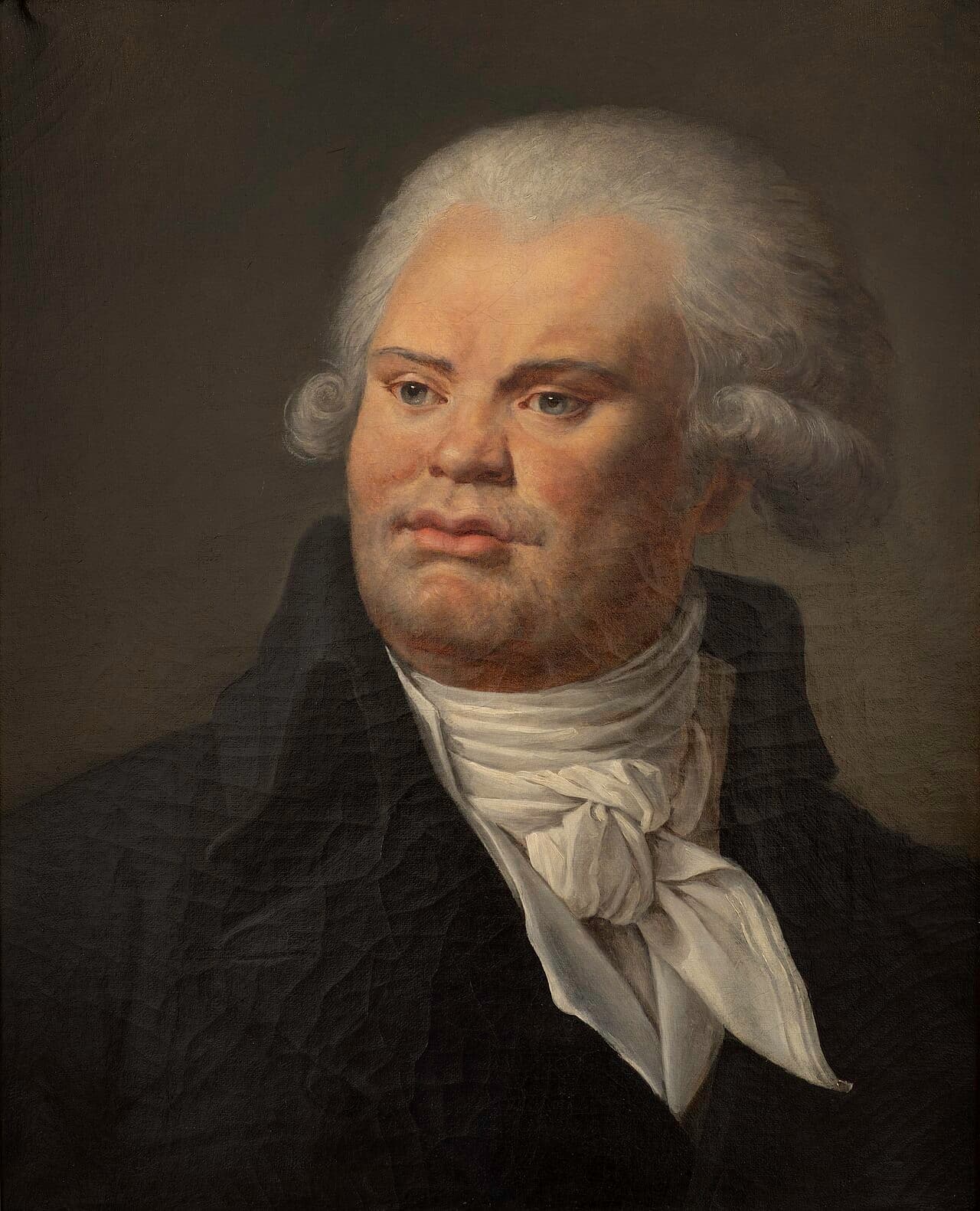
News of royal troops massing around Paris ignited the capital. On July 14, 1789, crowds stormed the Bastille fortress, killing its governor and parading his head on a pike through the streets. The revolution had gone from legislative defiance to street violence in a single afternoon. Simultaneously, the countryside erupted in what historians call the Grande Peur — the Great Fear — as peasants attacked noble estates, burned feudal records, and refused to pay dues. On the night of August 4, in a dramatic session, nobles renounced their feudal privileges. Within weeks, the National Assembly issued the Declaration of the Rights of Man and of the Citizen, enshrining liberty, equality, and popular sovereignty as the founding principles of the new France.
The Radical Turn: War, Execution, and the Terror
The revolution grew progressively more radical as it faced both internal resistance and external war. In April 1792, France declared war on Austria, beginning a conflict that would engulf Europe for over two decades. Military setbacks and fears of counter-revolution radicalized politics at home. In August 1792, a popular uprising stormed the Tuileries palace; Louis XVI was suspended, then tried for treason. On January 21, 1793, he was guillotined in the Place de la Révolution before a massive crowd. His execution horrified European monarchies and deepened France's isolation. Queen Marie Antoinette followed him to the scaffold in October.
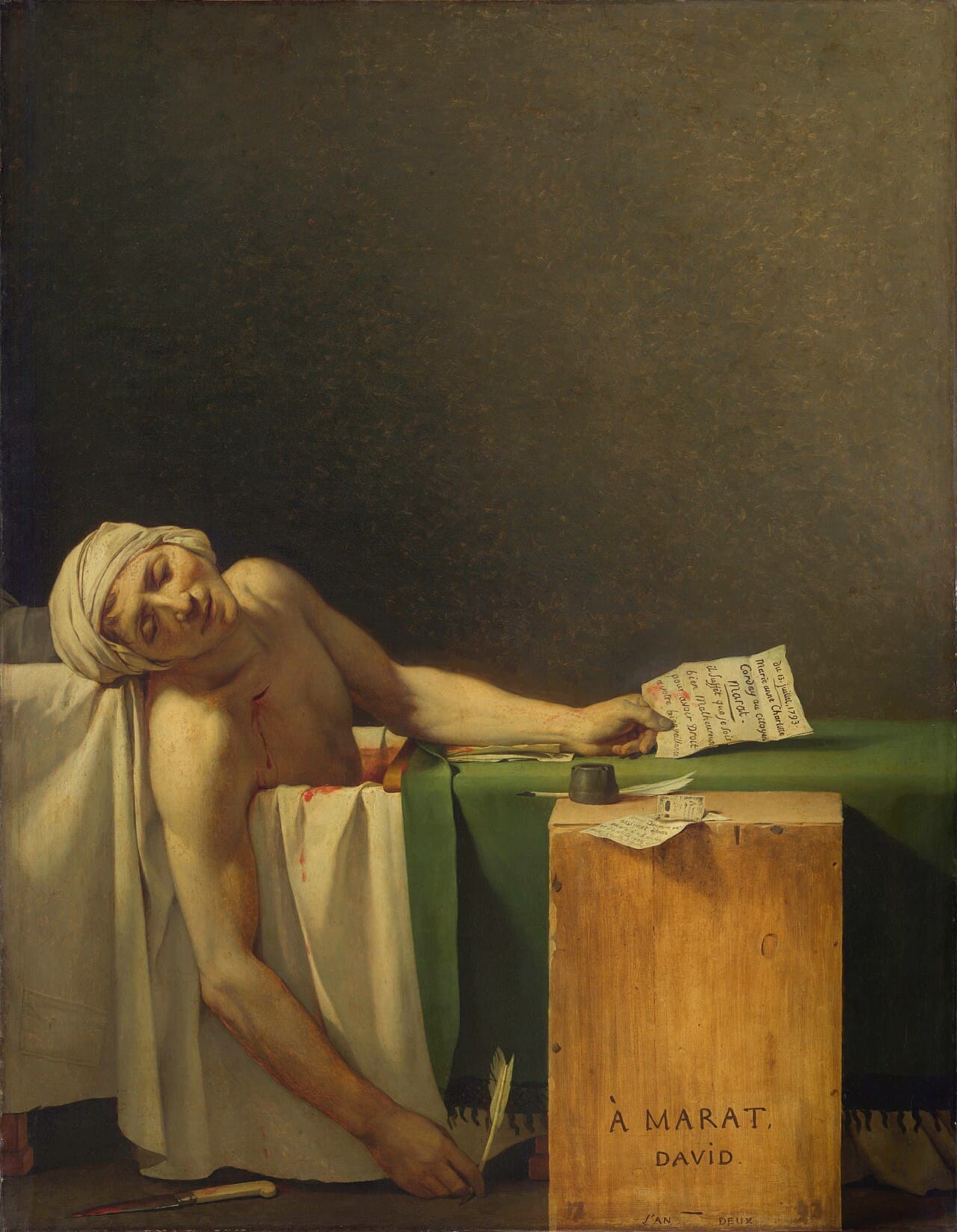
The most terrifying chapter came under the Committee of Public Safety, dominated by Maximilien Robespierre and his allies. The Reign of Terror, from September 1793 to July 1794, saw the Revolutionary Tribunal dispatch thousands of perceived enemies — aristocrats, priests, moderates, even fellow revolutionaries — to the guillotine. Estimates suggest between 17,000 and 40,000 people were executed or died in prison. The guillotine, ironically introduced as a humane, egalitarian method of execution, became the revolution's most enduring symbol. The Terror consumed its own architects: Robespierre himself was arrested on 9 Thermidor (July 27, 1794) and executed the following day.
Key Phases of the Revolution
| Phase | Period | Key Events |
|---|---|---|
| Constitutional Monarchy | 1789–1792 | National Assembly, Declaration of Rights, new constitution |
| First Republic | 1792–1795 | Execution of Louis XVI, War of the First Coalition |
| The Terror | 1793–1794 | Committee of Public Safety, mass executions, Robespierre |
| Thermidorian Reaction | 1794–1795 | Fall of Robespierre, dismantling of radical policies |
| The Directory | 1795–1799 | Five-man executive, ongoing wars, political instability |
| Napoleonic Coup | 1799 | 18 Brumaire coup ends the Revolution, Napoleon takes power |
From Directory to Napoleon
After Thermidor, power passed to the more conservative Directory, a five-man executive that governed from 1795 to 1799. The Directory was corrupt, ineffective, and chronically unstable, lurching between royalist and Jacobin threats. But France's armies, led by brilliant young generals, were winning spectacular victories across Europe. One general above all captured the national imagination: Napoleon Bonaparte, the Corsican artillerist who had become a hero at the Siege of Toulon and dazzled Europe with his Italian campaigns. On November 9, 1799 — 18 Brumaire by the revolutionary calendar — Napoleon staged a coup, dissolved the Directory, and installed himself as First Consul. The Revolution was over. Its consequences were only beginning.
A Legacy Written Across Centuries
The French Revolution's impact on world history is almost impossible to overstate. It destroyed the principle of hereditary absolutism as a self-evident truth, replacing it with the radical notion that governments derive legitimacy from the governed. The Declaration of the Rights of Man became a template for human rights documents worldwide, from the UN Universal Declaration of 1948 to dozens of national constitutions. The revolutionary ideals of liberté, égalité, fraternité spread across Europe through Napoleon's conquests, catalyzing independence movements, constitutional reforms, and nationalist uprisings for over a century. The metric system, secular education, and the Napoleonic Code — a rational, written legal system adopted by much of the world — were all products of the revolutionary era. Even the political labels 'left' and 'right' originate from the seating arrangements in the revolutionary National Assembly, where radicals sat to the left of the president and conservatives to the right.
The Revolution also posed questions that humanity is still answering: How much violence is justified in the name of liberty? Can rapid, radical change produce stable democracy, or does it invite its own tyranny? Robespierre believed that terror was the necessary handmaiden of virtue. History's judgment has been less forgiving. The French Revolution was simultaneously the cradle of modern democracy and a warning about what happens when revolutionary idealism hardens into dogma — lessons as urgent today as they were in 1789.