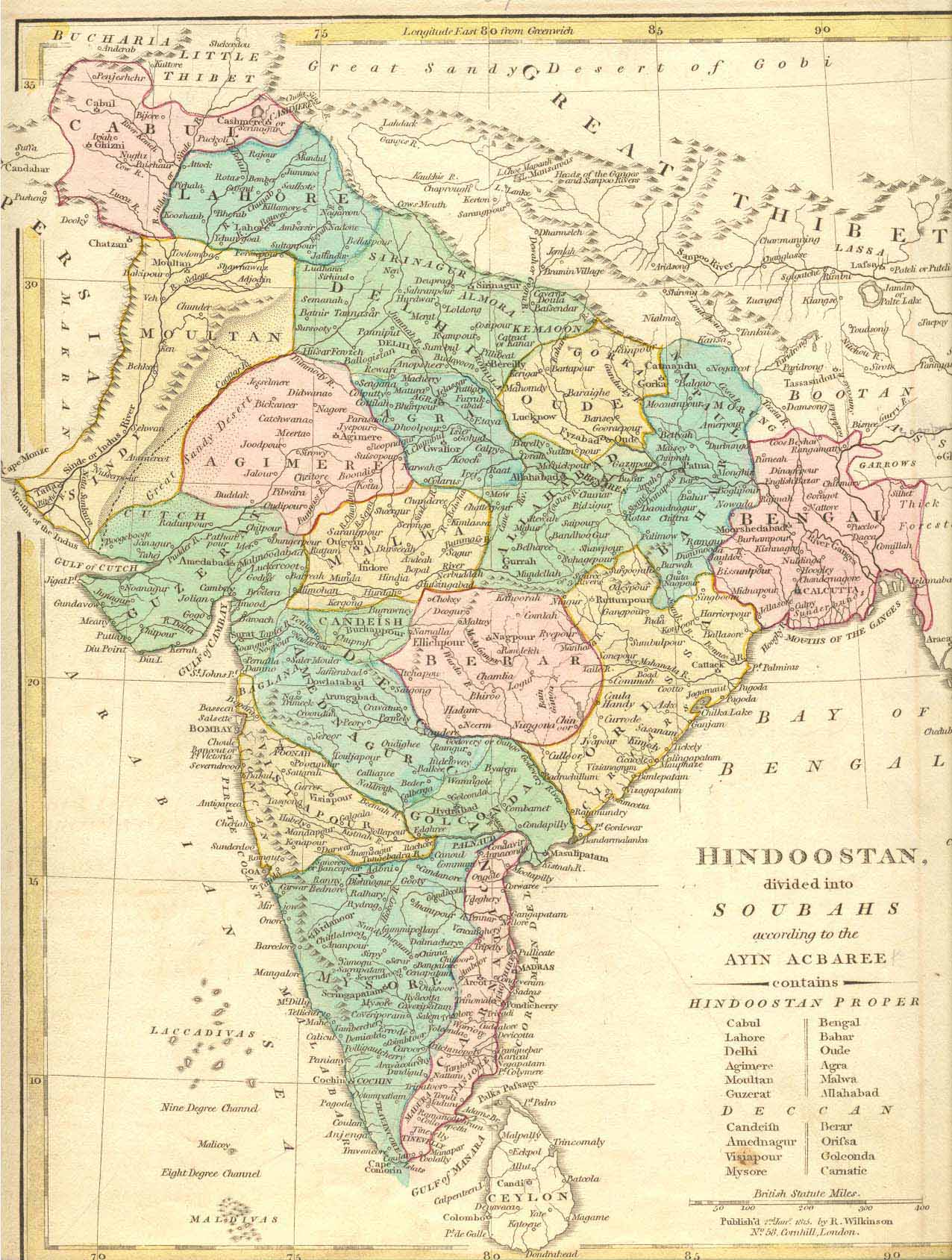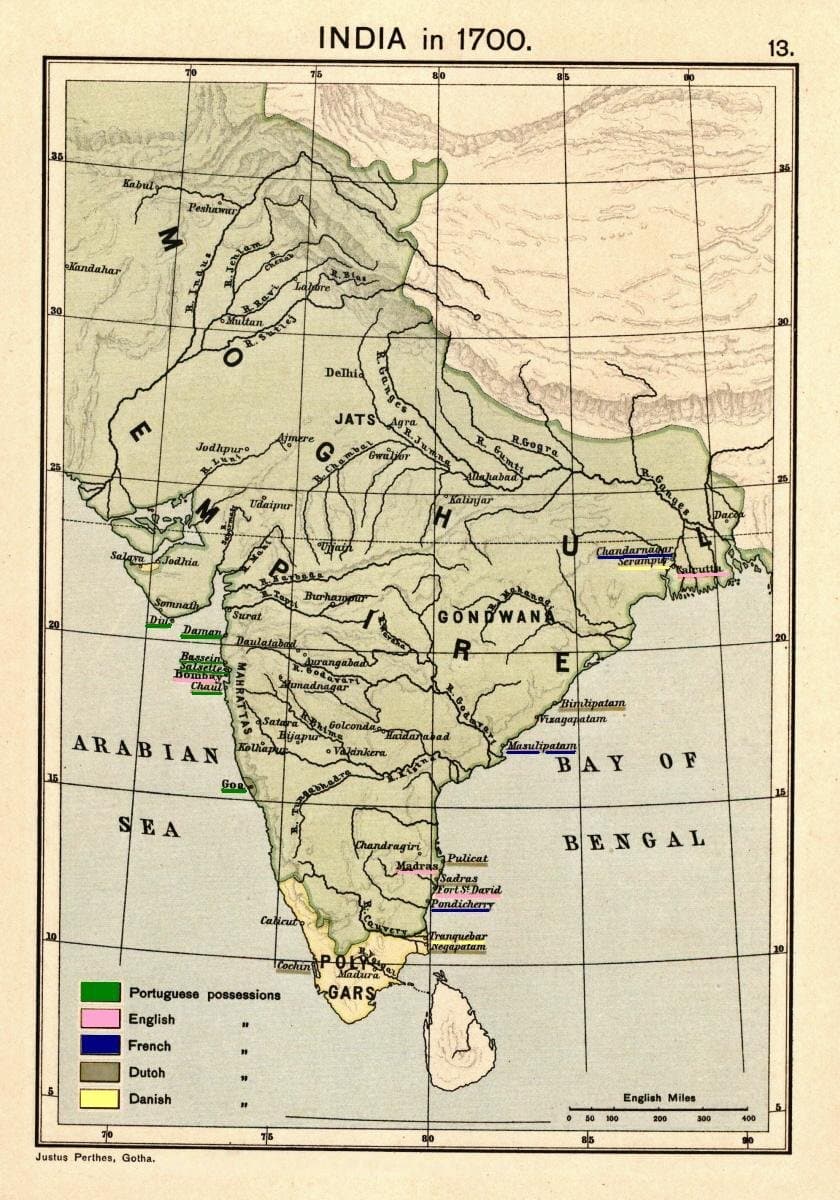
In 1526, a Central Asian prince descended from both Timur and Genghis Khan rode south through the Khyber Pass with a modest army, a genius for artillery, and an almost reckless ambition. Zahir ud-Din Muhammad Babur defeated the far larger forces of Ibrahim Lodi at the First Battle of Panipat and, in doing so, planted the seed of what would become one of the largest, wealthiest, and most culturally magnificent empires the world has ever seen. The Mughal Empire, at its zenith under Aurangzeb in the late seventeenth century, governed nearly 150 million people — roughly a quarter of humanity — and produced revenue that dwarfed the treasuries of contemporary European states. Its legacy is written in marble, miniature paintings, Urdu verse, and the political map of South Asia itself.
Origins: A Prince Without a Kingdom
Babur was, in many ways, a man of contradictions. Born in 1483 in the Fergana Valley in present-day Uzbekistan, he spent his early life trying and failing to recapture Samarkand — the storied capital of his ancestor Timur. Driven west and then south by the rising Uzbek power of the Shaybanids, he eventually seized Kabul in 1504 and used it as a base for repeated incursions into the Indian subcontinent. His victory at Panipat was enabled by a revolutionary tactical combination: massed Ottoman-style artillery and flanking cavalry maneuvers, a method the Lodi Sultanate had no answer for. Babur himself was ambivalent about India — his memoirs, the Baburnama, record his distaste for the heat and his longing for the melons and gardens of Central Asia — yet he built the foundation of an empire he never lived to see flourish. He died in 1530, just four years after Panipat.
Akbar the Great: The Empire Finds Its Soul
The Mughal Empire's true consolidation came under Babur's grandson, Akbar, who ruled from 1556 to 1605. Ascending the throne at thirteen after his father Humayun died falling down a library staircase, Akbar grew into one of the most capable administrators in world history. His genius lay not merely in military conquest — though he expanded the empire to encompass virtually all of northern India and much of the Deccan — but in governance. Understanding that a Muslim dynasty could not rule a majority-Hindu population through force alone, Akbar abolished the jizya (a tax on non-Muslims), welcomed Rajput princes as imperial officers and fathers-in-law, and established a policy of sulh-i-kul, or 'universal peace,' that sought tolerance across religious lines. He created a new syncretic spiritual movement called the Din-i-Ilahi, blending elements of Islam, Hinduism, Zoroastrianism, and Christianity, though it attracted few followers beyond the court. His administrative system — dividing the empire into provinces called subas, governed by appointed officials — provided the structural template that the British East India Company would later repurpose for their own rule.
Art, Architecture, and the Mughal Aesthetic
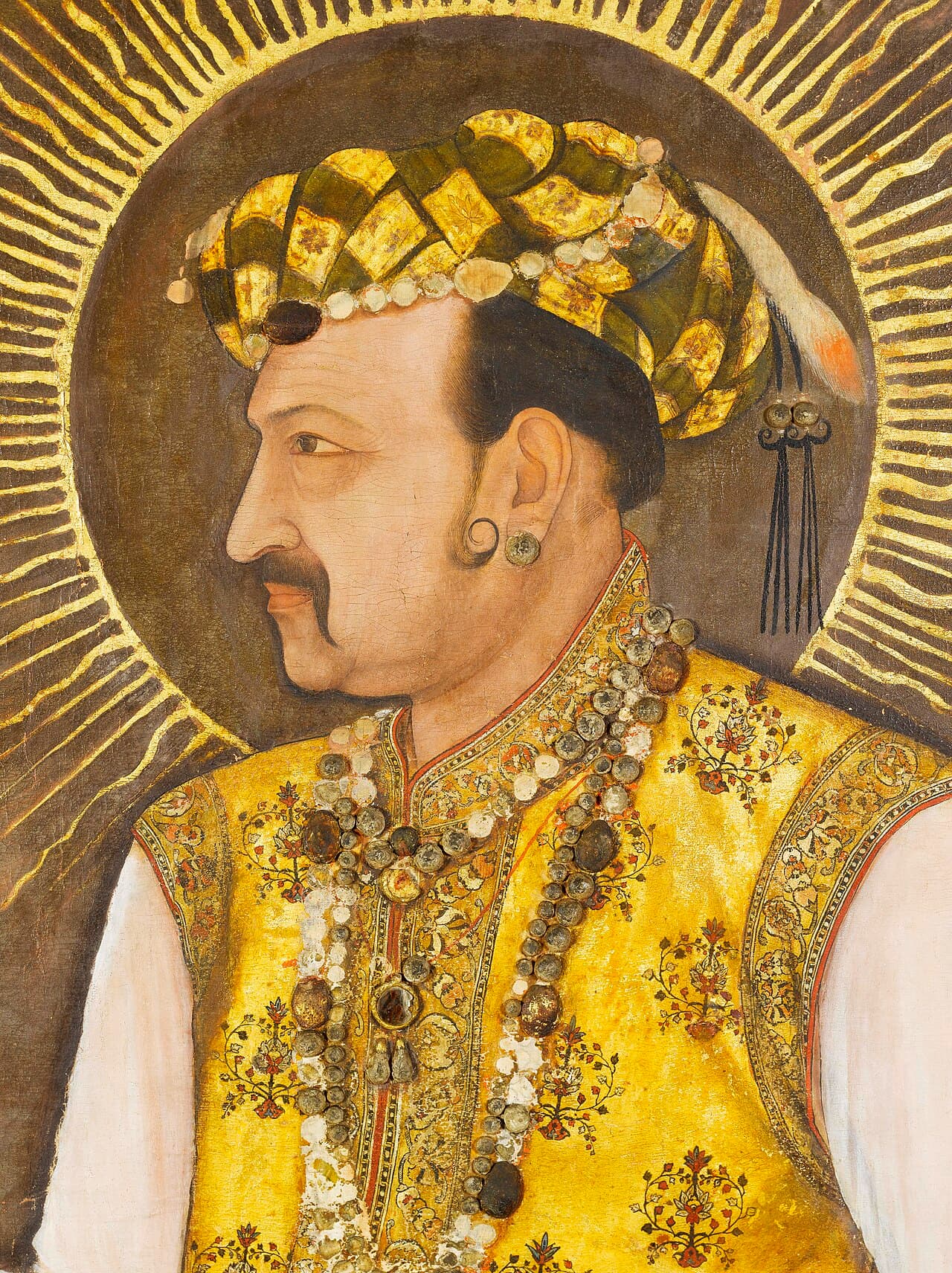
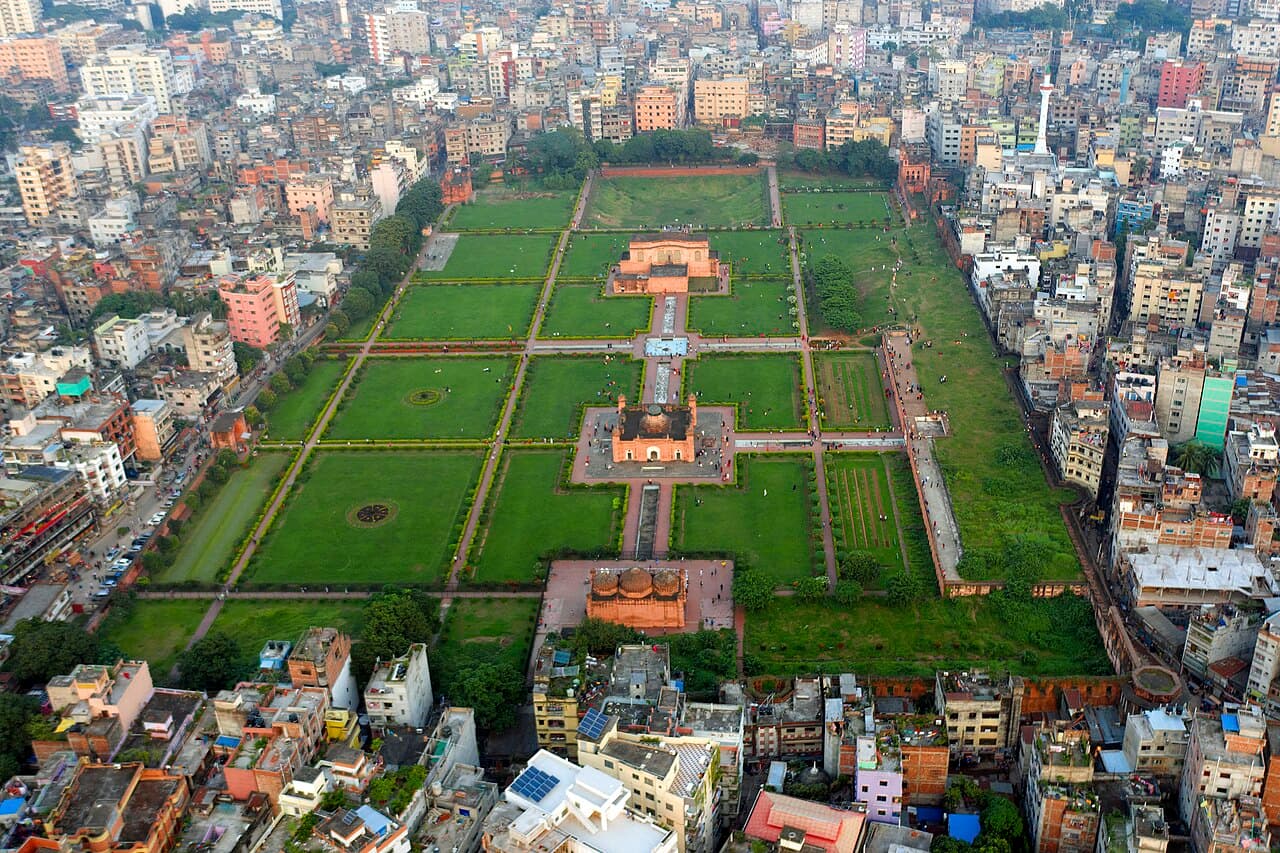
No civilization encapsulates the Mughal legacy quite like its art and architecture. The emperors were lavish patrons who fused Persian, Central Asian, and indigenous Indian traditions into a distinctive aesthetic that still defines the visual identity of South Asia. Shah Jahan, who ruled from 1628 to 1658, commissioned the most celebrated building on Earth — the Taj Mahal — as a mausoleum for his beloved wife Mumtaz Mahal, who died in childbirth in 1631. Built over twenty-two years by an estimated twenty thousand workers, it stands as the supreme expression of Mughal architecture: a perfect symmetry of white marble, inlaid with semi-precious stones in floral arabesques, flanked by minarets and reflected in long ornamental pools. Shah Jahan also built the Red Fort in Delhi, the Jama Masjid mosque, and the Shalimar Gardens of Lahore, establishing a canon of monumental beauty that has few rivals in human history. Mughal miniature painting, meanwhile, reached extraordinary levels of psychological realism and technical precision under Akbar and Jahangir, incorporating influences from European Renaissance art introduced by Jesuit missionaries at the imperial court.
Economy: The Workshop of the World
The Mughal Empire was not merely a cultural powerhouse but an economic colossus. Historians estimate that India under the Mughals accounted for roughly 25 percent of global GDP in the early seventeenth century — a figure that made it the single largest economy on Earth. The empire exported fine cotton textiles, silk, indigo dye, saltpeter, and spices to markets stretching from England to Japan. The port city of Surat was one of the busiest in the world, and Mughal trade surpluses attracted enormous quantities of silver from the Americas via European merchants. This wealth funded the court's extraordinary artistic patronage and military campaigns alike. However, it also made India an irresistible target: European trading companies, beginning with the Portuguese and followed by the Dutch, English, and French, inserted themselves into Mughal commerce, steadily building the footholds that would eventually transform into colonial domination.
Decline: Aurangzeb and the Unraveling
The paradox of the Mughal Empire is that its greatest territorial extent coincided with the beginning of its unraveling. Aurangzeb, who ruled from 1658 to 1707 after overthrowing and imprisoning his father Shah Jahan, expanded the empire to its maximum size — stretching from Kabul to the tip of the Deccan — but fatally destabilized it in the process. A devout Sunni Muslim, Aurangzeb reversed many of Akbar's pluralist policies: he reimposed the jizya, destroyed Hindu temples, and banned music and fine arts at court. These policies alienated the Rajput and Hindu constituencies that had been pillars of Mughal governance for a century. His endless military campaigns in the Deccan, lasting twenty-six years, drained the treasury and allowed the Maratha Confederacy under Shivaji and his successors to emerge as a formidable rival power. When Aurangzeb died in 1707 — exhausted, reportedly guilt-ridden, and largely alone — the empire he left behind was already fragmenting. A succession of weak emperors followed; Nadir Shah of Persia sacked Delhi in 1739, carrying off the Peacock Throne and an estimated three hundred million rupees in loot. By the mid-eighteenth century, the Mughals were emperors in name only, dependent on Maratha protection within the walls of their own capital.
The Last Mughal and the End of an Era
The final, tragic chapter of the Mughal story unfolded during the Indian Rebellion of 1857. The last emperor, Bahadur Shah Zafar II — more celebrated as a poet than as a ruler — was drawn reluctantly into the uprising against British rule. When the rebellion collapsed, British forces stormed Delhi. Zafar was captured, tried, and exiled to Rangoon in Burma, where he died in 1862 at the age of eighty-seven. He reportedly lamented that he could not even be buried in his beloved Delhi. His exile ended three centuries of Mughal sovereignty and formally closed one of history's most consequential chapters. The British Crown assumed direct rule of India the following year. Yet the Mughals were not simply erased — their administrative systems, their languages, their art forms, and the very geography they shaped live on in India, Pakistan, Bangladesh, and Afghanistan to this day. The Taj Mahal, receiving eight million visitors annually, remains perhaps the most potent symbol on Earth of a civilization that reached, and briefly touched, perfection.
| Emperor | Reign | Key Achievement |
|---|---|---|
| Babur | 1526–1530 | Founded the empire; victory at First Battle of Panipat |
| Humayun | 1530–1540, 1555–1556 | Restored Mughal rule after Suri interregnum |
| Akbar | 1556–1605 | Administrative reforms; policy of religious tolerance |
| Jahangir | 1605–1627 | Refined Mughal miniature painting; diplomatic ties with England |
| Shah Jahan | 1628–1658 | Built the Taj Mahal, Red Fort, and Jama Masjid |
| Aurangzeb | 1658–1707 | Maximum territorial expansion; policies that weakened the empire |
| Bahadur Shah Zafar II | 1837–1857 | Last emperor; exiled after the 1857 Rebellion |